Alpine chamois hunting in New Zealand is a free-range, spot-and-stalk mountain pursuit of Rupicapra rupicapra across the Southern Alps of the South Island — the only place outside Europe and its surrounding ranges where chamois live wild. New Zealand's herds descend from animals gifted by Austrian Emperor Franz Joseph I in 1907 and released near Aoraki / Mount Cook, and they have since spread along virtually the entire alpine spine of the South Island. The prime hunting window runs April through August, when the autumn rut concentrates animals and bucks carry the jet-black winter cape that makes this species such a striking trophy. A guided New Zealand chamois hunt costs $6,000-$10,000 USD, and most hunters pair it with Himalayan tahr in the same ranges — one of the great mountain hunting combinations anywhere.
Chamois changed how I think about mountain hunting. The first buck I glassed in New Zealand stood on a bluff edge that I would not have walked to without a rope, watched us for thirty seconds, then crossed a rock face at a dead run as if gravity were a rumour. You do not forget that. This guide covers everything you need to plan a chamois hunt properly: the ground, the season, the rifle, how to judge a buck, what it costs, and what a hosted week in the Southern Alps actually looks like.
Why is chamois the alpine hunter's classic?
Long before sheep hunting became the marquee of international mountain hunting, the chamois was the defining alpine quarry. European hunters have pursued gams in the Alps for centuries — the tradition runs so deep that the Gamsbart, a brush of chamois back hair worn on Alpine hats, remains a badge of mountain hunting culture in Austria and Bavaria to this day. When you hunt chamois, you are stepping into the oldest mountain hunting story there is.
The animal earns the reputation. A chamois is small — a mature buck weighs 25-35 kg — but it is arguably the most agile big game animal on Earth. Chamois live around bluff systems and rock faces that stop every other species, cross near-vertical ground at speed, and rely on exceptional eyesight to pick out movement on an opposing face a kilometre away. Both sexes carry the distinctive hooked horns, and a mature buck in winter coat — jet black, with that pale face mask and dark eye stripes — standing against snow is one of the finest sights in mountain hunting.
What New Zealand adds is scale and freedom. Here the classic European quarry lives wild across an entire mountain range, with no fences, no quotas, and no draw.
How do New Zealand chamois compare to European chamois?
Honestly — because the comparison matters when you are deciding where to hunt.
Europe is the species' home. The Alpine chamois (Rupicapra rupicapra) ranges across the Alps, the Carpathians, the Balkans, and east toward the Caucasus. Spain holds the southern chamois (Rupicapra pyrenaica) — the Pyrenean chamois, locally called sarrio or isard, and the Cantabrian chamois, the rebeco — a closely related, slightly smaller species. European chamois hunting is managed hunting at its most refined: licensed reviers, age-class quotas, mountain guides, hut culture, and trophy fees that scale with the age of the buck. It is steeped in tradition, and it is excellent. Our Spanish Approved Ground in the Sierra de Andújar focuses on ibex and red deer rather than chamois, but strong southern chamois programs exist in the Picos de Europa and the Pyrenees, and we can build one into a Huntica Bespoke itinerary for hunters who want the species on its native ground.
New Zealand is a different proposition. The chamois here are pure Austrian Alpine genetics — descendants of those 1907 animals — living completely free across roughly the full length of the Southern Alps. There is no closed season on public land, no tag, no quota, and no waiting list. Horn length is comparable to the European average; body weights run slightly lighter, a founder-population trait New Zealand hunters readily admit. What you trade in tradition you gain in wildness: bigger country, longer shots, rougher weather, and the knowledge that every animal on the mountain got there on its own.
If you want the centuries-deep ritual, hunt Europe. If you want the wildest free-range chamois hunting on the planet, hunt New Zealand. Plenty of serious mountain hunters end up doing both — and the stories from each are completely different.
Where do you hunt chamois in New Zealand?
Chamois have the widest distribution of any introduced mountain game in New Zealand — from the Nelson Lakes ranges in the north of the South Island to Fiordland in the far south. That is a much broader spread than tahr, and it shapes where and how you hunt them.
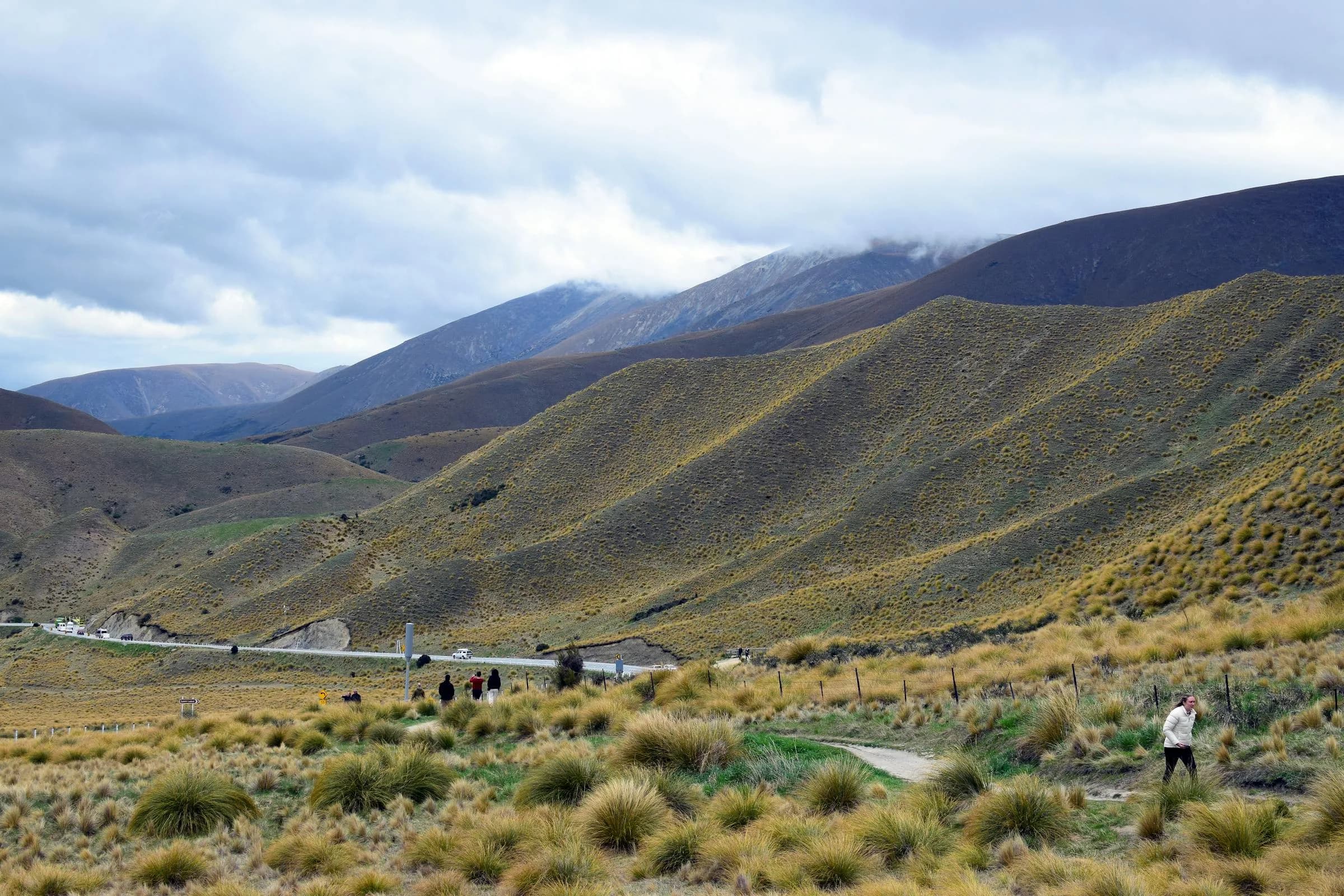
The central Southern Alps: The ranges around the Mackenzie Basin — the Two Thumb, Gammack, and Liebig ranges and the headwaters of the Rangitata, Godley, and Macaulay rivers — hold chamois alongside tahr. This is where most combination hunts happen: long tussock faces, scree basins, and bluff systems between 1,200 and 2,000 metres, typically accessed by helicopter from Tekapo or Twizel.
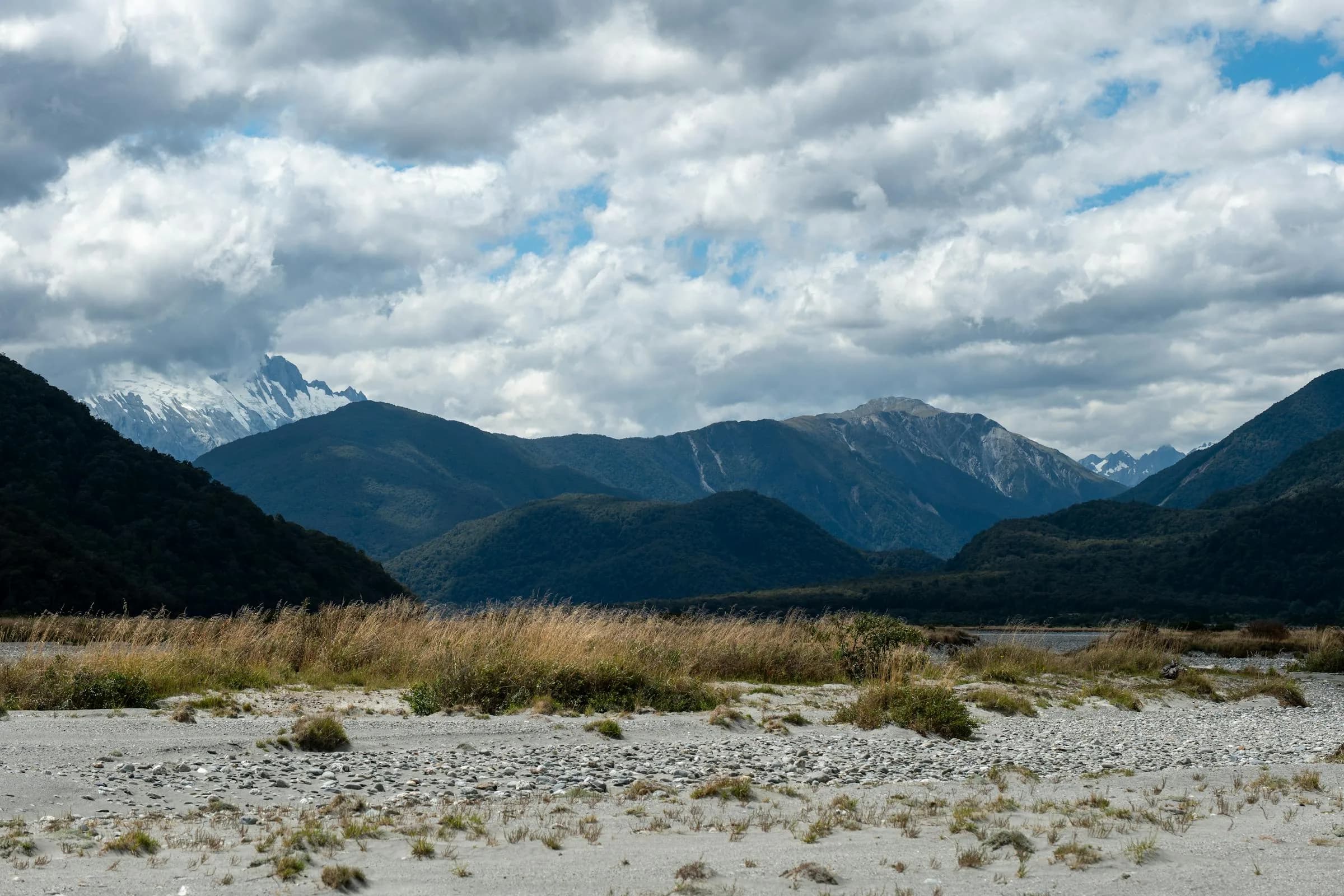
The West Coast: The western side of the divide is dramatic chamois country — rainforest valleys rising into bluffed faces above the Whataroa, Wanganui, and Hokitika rivers. Chamois here live around vertical rock, and hunting them means glassing bluff systems from opposing spurs and picking apart broken country ledge by ledge. Access is almost always by helicopter, and the rain is serious: parts of the West Coast receive 5,000-8,000 mm annually. When it is clear, there is no more spectacular place to take a chamois.
Otago and the southern ranges: The mountains around Wanaka, the Ahuriri, and the ranges running toward Fiordland hold strong chamois populations in slightly more open, drier country. Otago offers something the central Alps often do not: realistic walk-in hunting from valley floors, with day climbs onto chamois faces and a vehicle or hut at the bottom. For fit hunters who want to earn their buck on foot rather than fly to it, this is the ground.
Most chamois hunting takes place on public conservation land, where any holder of a New Zealand firearms licence may hunt them year-round. On our New Zealand Approved Ground, we work with guides who hold concessions and station access across all three of these zones, and we pick the area by season, weather, and what you want from the week.
When is chamois hunting season in New Zealand?
There is no closed season on chamois — they can be hunted twelve months of the year on public land. But the calendar matters enormously, because the trophy you take home is mostly about the coat.
April (early autumn): The rut approaches, bucks begin moving toward nanny groups, and the summer coat is darkening. Good hunting, improving cape. Settled autumn weather makes this one of the most pleasant months to be in the hills.
May-June (the rut and early winter): The chamois rut peaks in May. Bucks abandon caution, travel ridgelines in daylight checking groups of does, and fight on open faces. They are more visible and more approachable than at any other time of year — and the winter coat is coming in fast and dark. By June the cape is prime: long, dense, and jet black, with the pale face mask in sharp contrast. This is the window I would book first.
July-August (full winter): The cape is at its absolute best and snow pushes animals onto lower, sun-warmed faces where they are easier to spot. The trade-off is winter mountain conditions — short days, hard frosts, snow on access routes, and genuine avalanche awareness required on steeper ground. Magnificent hunting for those prepared for it.
September-March (spring and summer): Chamois shed into a short, pale fawn summer coat, and bucks scatter high and wide. The animals are still there and the hunting is still real, but the trophy cape is poor and the long climbs are hot work. Summer suits meat hunts and mixed trips, not a dedicated trophy chamois hunt.
For a first chamois hunt, aim for May through July: rutting or freshly post-rut bucks, the black winter cape, and weather that is cold but workable.
How hard is a chamois hunt, honestly?
Easier than a tahr expedition. Harder than almost everything else.
Chamois live in steep country — that is non-negotiable — and a typical hunting day involves 700-1,200 metres of climbing on tussock, scree, and rock, often 6-8 hours on your feet with a daypack. West Coast hunts add river crossings and bush-bashing below the tree line. The descents punish your knees more than the climbs punish your lungs, and there will be moments on exposed ground where you need a calm head and sure feet.
That said, chamois hunting is the most accessible of New Zealand's alpine hunts, and it is the one I recommend as a first mountain hunt. Helicopter access can put you on a glassing point with most of the climbing already done. Otago walk-in country is steep but honest, without the sustained exposure of tahr bluffs. And because chamois are so widely distributed, a good guide can match the country to the hunter — there are bucks living on faces a fit fifty-five-year-old can hunt properly, and bucks living on faces nobody should hunt without alpine experience.
Preparation still matters. Spend the 10-12 weeks before your trip hiking hills with a light pack, add step-ups and lunges for knee strength, and practice shooting from field positions with your heart rate up. Tell us honestly where your fitness sits, and we will build the week around it — the mountain does not care about your plans, but the plan can respect the mountain.
What caliber for chamois?
A chamois is a small, fine-boned animal shot at long range in wind — which makes rifle choice about trajectory and precision, not power.
Recommended: Flat-shooting light-to-medium calibers: 6.5 Creedmoor or 6.5 PRC (140-147 grain), .270 Winchester (130-140 grain), .280 Ackley Improved or 7mm-08 (140-150 grain). These shoot flat to 350 metres, buck wind respectably, and put a 25-35 kg animal down cleanly without destroying the cape. A .243 Winchester with premium 90-105 grain bullets is the sensible floor.
The combination-hunt answer: If your trip includes tahr — and it probably should — bring one rifle for both: a 7mm Remington Magnum, .300 Win Mag, or 6.5 PRC handles a 120 kg bull tahr and remains precise enough for a chamois at 300 metres. Carrying a single well-zeroed rifle beats switching between two.
Setup: A lightweight rifle with a 3-15x scope, a bipod or pack rest, and a suppressor — legal in New Zealand and used by most guides as standard. Zero at 200 metres and know your drops to 400. Expect shots of 250-350 metres; chamois country is open, the animals are sharp-eyed, and closing inside 200 metres is often impossible without losing the wind or the light.
Shot placement: The vital zone on a chamois is roughly 15-20 cm — half that of a red stag — so the margin for error is small. Wait for a settled, broadside animal and place the bullet directly behind the shoulder, one-third up the chest. Steep uphill and downhill angles change your point of impact; trust your rangefinder's angle-compensated reading. And one rule specific to this species: never take the shot when a chamois is standing on the lip of a bluff. A buck that drops over an edge can fall two hundred metres, ruining horns and cape and creating a recovery that risks human life. Good guides will tell you to wait. Listen to them.
How do you judge a trophy chamois buck?
Judging chamois is genuinely difficult, because both sexes carry horns and the differences are subtle at 300 metres. This is where an experienced guide earns their keep.
Buck or doe: A buck's horns are thicker at the base and carry a deeper hook — the tip curls back and down through more than a right angle, like a shepherd's crook. A doe's horns can match a buck's for length but are visibly slimmer with a shallower hook. Body language helps: mature bucks run noticeably heavier in the chest and neck, darker in winter coat, and outside the rut they are usually alone or in twos and threes, while does mob up with yearlings and kids.
Length benchmarks: Measure along the front curve from base to tip. An average mature New Zealand buck carries 8.5-9 inch horns. A 9-10 inch buck is a genuinely good trophy — the benchmark serious hunters set. Anything over 10 inches is exceptional, and 11-plus is record-class territory. Base circumference matters as much as length to score: heavy bases above 3 inches mark an old buck.
Aging on the mountain and in the hand: Chamois horns grow fastest in the first three years, then add tight annual rings — annuli — for the rest of the animal's life. Count the rings and you have the age, almost to the year. A trophy buck is 7 years or older; old warriors of 10-12 years show heavy, close-stacked rings, sometimes with broomed or chipped tips from fighting and rockfall. Through the spotting scope, look for horns standing clearly above the ears with the hook visible at distance, a deep chest, and that aloof, heavy-necked posture old bucks carry.
The discipline of chamois hunting is passing on does and young bucks until the right animal stands clear. Take your time. The mountain rewards patience more than it rewards luck.
What does a chamois hunt cost?
Chamois is the most attainable of New Zealand's alpine trophies, and the numbers reflect that — especially if you structure the trip well.
Dedicated guided chamois hunt: $6,000-$10,000 USD for a 4-6 day hunt, typically including your guide, helicopter access, backcountry accommodation (hut or camp), meals, and trophy preparation in the field. Walk-in hunts in Otago sit toward the lower end; helicopter-access hunts on the West Coast and central Alps toward the upper.
Helicopter time: The big variable, exactly as it is for tahr. Southern Alps helicopter work runs NZD $2,500-$4,000 per hour, and a chamois hunt typically uses 1-3 hours across access and extraction. Confirm whether it is inside the quoted price or billed separately before you book — this is the line item that surprises people.
Chamois as an add-on: If you are already on a tahr hunt, adding a chamois usually costs $1,000-$3,000 in additional trophy fee plus a day or two of time. This is the most economical route to the species and the reason most chamois are taken on combination trips.
With Huntica hosting: A Huntica Hosted New Zealand alpine week built around chamois and tahr is quoted as one all-in figure — guiding, helicopter access, hosting, camp, and trophy fees for the agreed species. A chamois-focused week sits toward the lower end; a Huntica Bespoke private expedition for one or two hunters toward the upper.
What is not included: International flights to Christchurch or Queenstown (€1,200-€2,500 from Europe, $1,500-$2,500 from the US), travel insurance with mountain rescue cover (essential, not optional), taxidermy beyond the field cape, trophy shipping, and gratuities — NZD $100-$200 per day for your guide is appropriate.
Can you combine chamois with tahr?
Yes — and you should. Tahr and chamois share the central Southern Alps, and a 7-10 day trip taking both is the classic New Zealand mountain hunt. We wrote a complete companion guide to the other half of that equation: Himalayan tahr hunting in New Zealand.
The combination works because the species divide the mountain between them. Tahr dominate the highest, craggiest central ranges; chamois live there too but also spill across gentler faces, lower ridges, and whole regions tahr never colonised. On a combined trip you typically hunt tahr first from a spike camp in the high basins, then shift aspect or valley for chamois — often on the same helicopter rotation, which is where the economics get attractive: one set of flights, one camp infrastructure, two of the world's great mountain trophies.
The seasons align perfectly. May through August is prime for both species — tahr bulls in full mane, chamois bucks in black winter cape — and the field skills transfer directly. If you only ever make one trip to New Zealand, make it this one.
What does a hosted New Zealand alpine hunt look like with Huntica?
A chamois week with Huntica starts in Christchurch or Queenstown, where we meet, check rifle zero, and walk through the weather maps and the plan over dinner. I will have spoken with our New Zealand guides — friends I have shared these hills with, not names from a directory — about where the animals are sitting and which valleys are holding bucks.
Depending on the ground we have chosen, the week runs one of two ways. In the central Alps and West Coast, a helicopter lifts us to a hut or camp below the hunting faces, and each day is built around dawn and dusk glassing — picking apart bluff systems and tussock basins for the dark shape and white face of a buck, then planning a stalk that respects the wind and the terrain. In Otago, we base in a high-country station or valley hut and climb onto fresh ground each morning on foot. Either way, the rhythm is the same: glass, judge, stalk, decide. Some days end with a buck on the ground and a heavy pack; others end with nothing but a thermos emptied on a ridgeline and a better plan for tomorrow. Both are good days.
What the hosting layer adds is judgement and slack in the system. Weather will move on you — it always does in the Alps — and I adjust the plan by the hour: shifting valleys, re-sequencing tahr and chamois days, holding the helicopter until the window is real. When the shot finally comes, I am on the spotter confirming the buck, and when it is done, the cape, the paperwork, and the shipping chain are handled before you are back at the airport. That is what we host where we hunt means in this country: you concentrate on the mountain, and the mountain is enough to concentrate on.
Evenings are the part nobody photographs and everybody remembers — boots drying by the fire, a dram, and the day retold until it becomes the story you will take home alongside the horns.
Frequently Asked Questions
Can I hunt chamois in New Zealand without a guide?
Legally, yes. Chamois on public conservation land require no hunting permit beyond a New Zealand firearms licence, and visiting hunters can obtain a Visitor's Firearms Licence through the New Zealand Police before arrival. Practically, unguided alpine hunting in unfamiliar country is a serious undertaking — navigation, weather judgement, river crossings, and avalanche awareness are survival skills here, not refinements. For a first chamois hunt, hunt guided. The mountains will still be there for your DIY ambitions once you know them.
What is the success rate on chamois?
High. Guided chamois hunts in good areas run 85-95% success over 4-6 days, on par with tahr. Chamois are abundant and visible; the variables are weather, which can erase whole days, and trophy standards — holding out for a 9.5-inch buck takes longer than taking the first representative animal. Build a buffer day into the schedule and the odds are firmly with you.
Are New Zealand chamois bigger than European chamois?
No — and it is worth being straight about. Horn lengths are comparable, but New Zealand animals run slightly lighter in body than the best Alpine bucks, a legacy of the small founding population. What New Zealand offers instead is wholly free-range hunting at a scale Europe cannot match, year-round access, and no quota system. You hunt New Zealand for the wildness, not for a record-book advantage.
Do female chamois have horns?
Yes — both sexes carry horns, which is exactly why field judging matters so much. A doe's horns can equal a buck's in length but are slimmer, with a shallower hook. Shooting a doe by mistake is the classic chamois error, and avoiding it is one of the strongest arguments for hunting with an experienced guide behind the spotting scope.
Is chamois a good first mountain hunt?
The best, in my view. It is a true alpine hunt — real climbing, real glassing, real long-range shooting — but with more forgiving terrain options and a lower physical bar than a full tahr expedition. Hunters often take a chamois on their first New Zealand trip, discover what mountain hunting does to them, and come back for tahr with their fitness rebuilt around the memory.
How do I get my chamois trophy home?
Your guide capes the buck in the field, and the cape and skull are processed through a taxidermist or dip-and-pack facility in the South Island. Chamois are not CITES-listed, so export needs only a standard veterinary certificate. Sea freight to Europe takes 2-4 months ($1,500-$3,000); to the US, 3-5 months. A full shoulder mount in black winter cape, or the traditional European skull mount, are both superb — and on a hosted trip we run the chain from mountain to your wall. Our trophy shipping and taxidermy guide covers the whole process.
Tell us where you want to go
If chamois has caught hold of you — the black cape against the snow, the hook of the horns through the spotting scope, the idea of hunting Europe's oldest mountain quarry in the wildest country it has ever lived in — the next step is a conversation. Tell us where you want to go, and I will walk you through what a hosted week in the Southern Alps looks like: the ground, the season, the fitness, the honest numbers. Straight talk between mountain hunters. No brochures.