
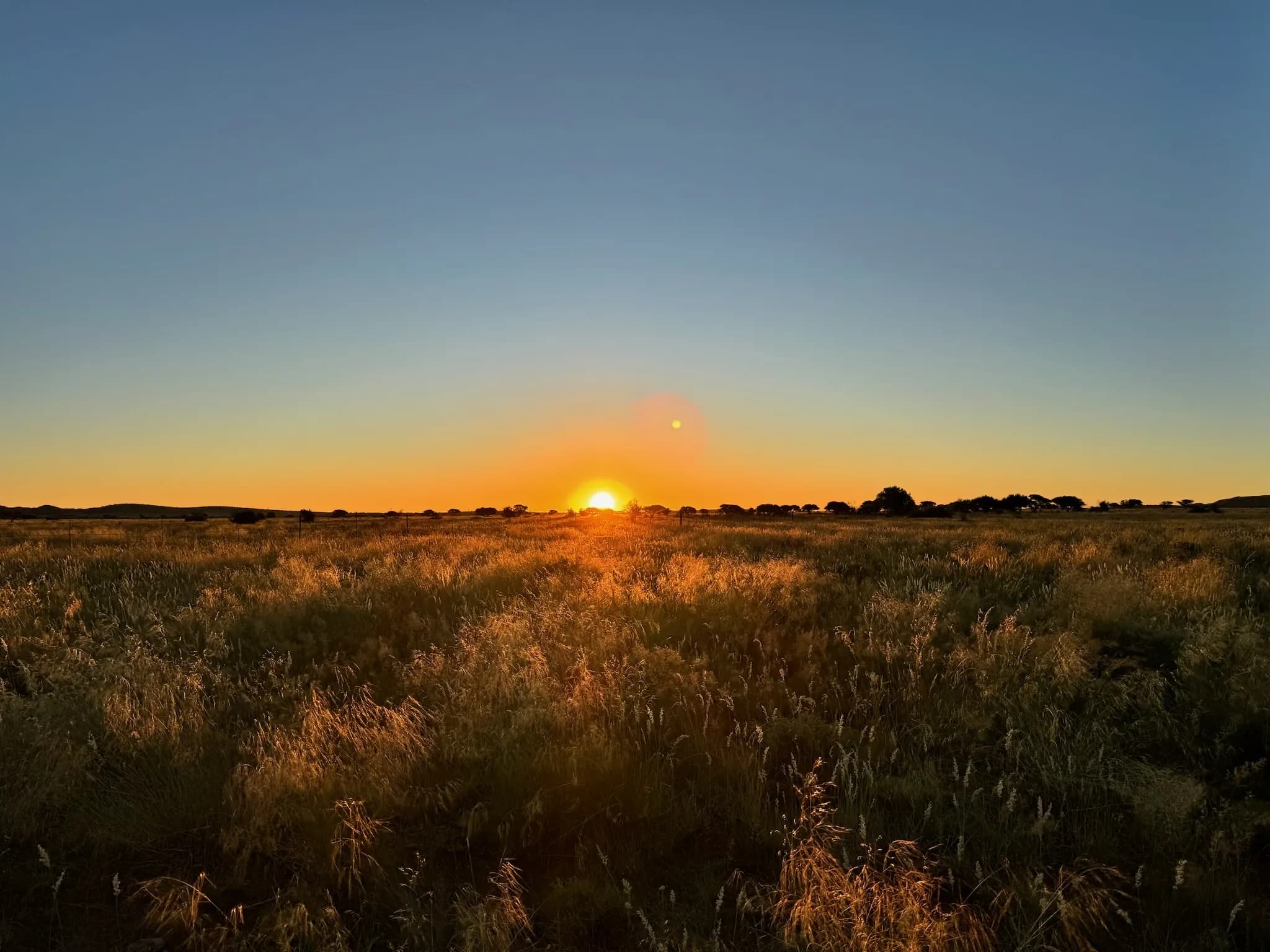
Hosted on approved ground
Impala Hunting in South Africa
A hosted impala hunt in South Africa runs 5–7 days for impala alongside other plains game; impala alone is often a 1–2 day add-on within a longer safari, best hunted apr–may for the rut with a 95%+ success rate. Free-range plains game across the Northern Cape Karoo, hosted on approved ground. A Huntica host is on the ground for every day of it, and your trip is quoted to order.
Outfitter daily rate
$350–$500/day (2x1 to 1x1 observer/hunting day rate)
Trophy fee
$450–$600 common impala; black/saddleback color variants run $1,500–$4,500+
Your hosted trip
Quoted to order
2026 outfitter price lists and BookYourHunt 2026 listings: common-impala trophy fees cluster $450–$600 (Big Game Hunting Adventures 2026 = $550; multiple SA lists $525–$600; entry plains-game range cited $350–$650). Daily rates from 2026 SA lists: $350/day 2x1 up to $500/day 1x1, including PH, lodging, meals, vehicle, transfers. BookYourHunt platform-wide SA plains-game packages run $2,400–$6,500 for 7–8 days; the all-in adds Huntica's 20–40% hosting fee on outfitter cost. Black-impala color-variant fees…
Best months
Apr–May for the rut
Typical length
5–7 days for impala alongside other plains game; impala alone is often a 1–2 day add-on within a longer safari
Success rate
95%+
What’s included
- A Huntica host physically present for the full trip
- Professional hunter (PH) and tracker/skinner team
- Full-board lodge accommodation on the hunting farm (hunting out the back door)
- All meals and camp drinks
- Daily 4x4 hunting vehicle and fuel
- Airport transfers (Kimberley KIM)
- Field prep, skinning, salting and delivery of cape/skull to the dip-and-pack agent
- Government hunting/conservation permits for the species taken
Usually separate
- —International flights to/from South Africa
- —Dip-and-pack, crating and trophy shipping/freight to home country
- —Taxidermy
- —SAPS 520 temporary firearm import handling (or rifle rental if not bringing own)
- —Rifle/ammunition (own or rented)
- —Gratuities for PH and staff
- —Items beyond the hunted package (extra animals, wounded-and-lost fees on color variants)
- —Travel insurance, pre/post-hunt accommodation, sightseeing
Permits, trophies & logistics
- Common impala (Aepyceros melampus melampus) is NOT CITES-listed and is not on the US Endangered Species Act list — no USFWS import permit required for the trophy to enter the US; only standard USDA/Customs (Form 3-177 declaration) clearance applies
- EU hunters: impala is non-CITES, so no CITES import permit; standard veterinary/health import rules and a registered taxidermy/freight agent apply
- Firearm temp-import: visiting hunters complete a SAPS 520 temporary import permit (valid up to 90 days); US hunters need CBP Form 4457 proof of ownership; max 4 firearms, no two of the same caliber, no fully-automatic/military arms
- Note: the related black-faced impala subspecies (A. m. petersi, Namibia/Angola) IS CITES Appendix II — South African common and melanistic 'black' impala are the common subspecies and are unaffected
- CITES is not required for impala, but the dip-and-pack agent still files standard SA veterinary export documentation; trophy shipping can take several weeks to months
Impala in South Africa, at a glance
- ◈Common impala trophy fees in 2026 run roughly $450–$600 in South Africa, with several outfitter lists at $525–$600 and one 2026 list at $550.
- ◈2026 South African daily rates run about $350/day (2x1) to $500/day (1x1), including PH, lodge, meals, vehicle and airport transfers.
- ◈Reported impala hunt success rates exceed 95%, among the highest of any African plains-game species; typical walk-and-stalk shots are 50–150 yards.
- ◈Impala mature rams commonly measure 21–22 inches, with 23–25 inch heads considered very good and the record just over 27 inches.
- ◈The impala rut falls in late April to mid-May, making those weeks the prime window for selecting and aging dominant rams.
- ◈Common impala is not CITES-listed and not ESA-listed, so US and EU hunters need no CITES import permit for the trophy; visiting hunters file a SAPS 520 temporary firearm import permit (max 4 rifles, no duplicate calibers).
- ◈Black/melanistic impala color-variant trophy fees run far higher than common impala — roughly $1,500 to $4,500+ in 2026.
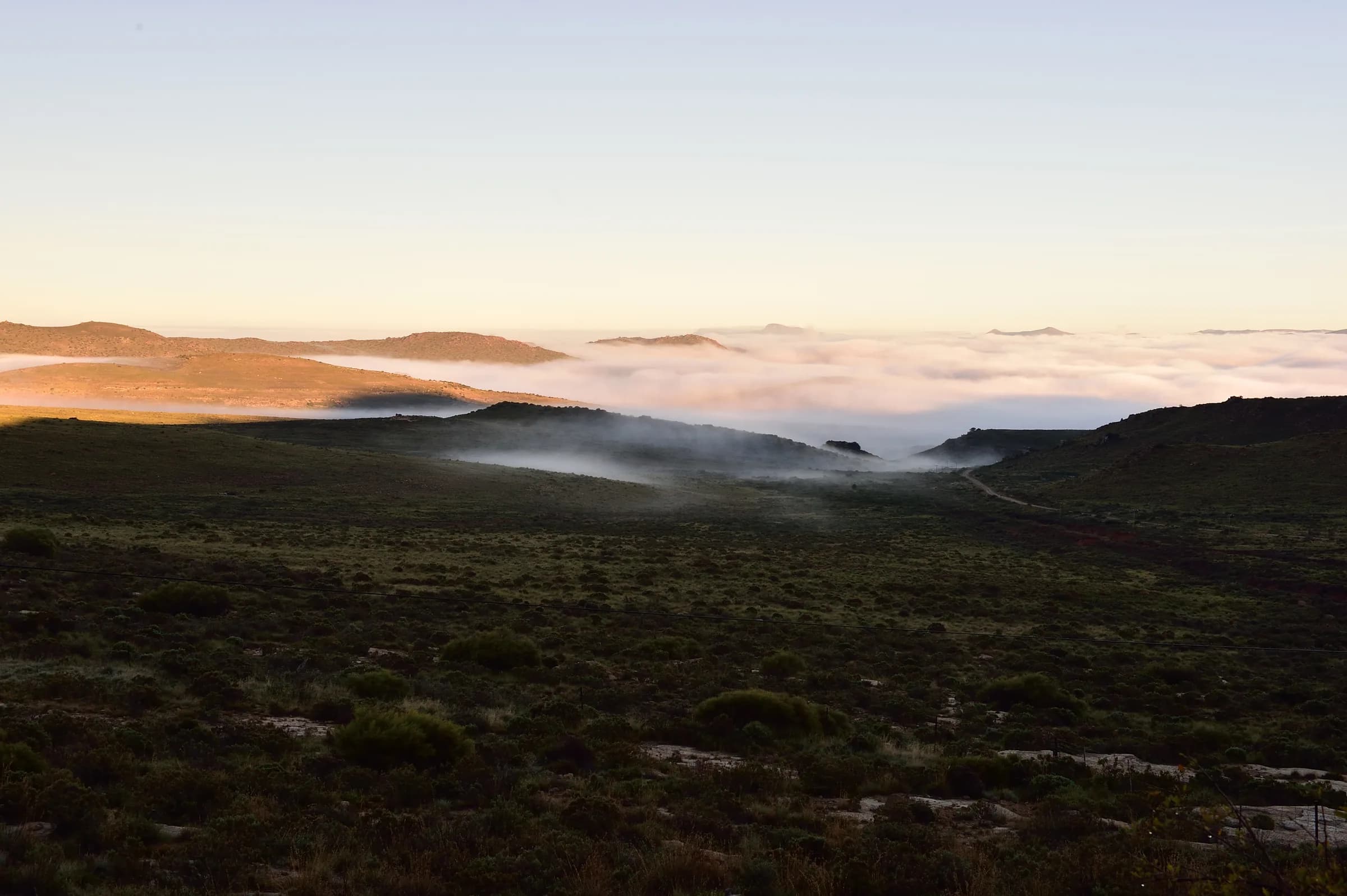
Walked, vetted, hosted.
South Africa · Approved GroundFrequently asked questions
How much does an Impala hunt in South Africa cost?
On this ground, outfitter daily rates run $350–$500/day (2x1 to 1x1 observer/hunting day rate). Impala trophy fee: $450–$600 common impala; black/saddleback color variants run $1,500–$4,500+. A typical hunt is 5–7 days for impala alongside other plains game; impala alone is often a 1–2 day add-on within a longer safari. Huntica does not publish a package price — every hosted trip is quoted to order once we know your dates, your list and your group, with a host present throughout. 2026 outfitter price lists and BookYourHunt 2026 listings: common-impala trophy fees cluster $450–$600 (Big Game Hunting Adventures 2026 = $550; multiple SA lists $525–$600; entry plains-game range cited $350–$650). Daily rates from 2026 SA lists: $350/day 2x1 up to $500/day 1x1, including PH, lodging, meals, vehicle, transfers. BookYourHunt platform-wide SA plains-game packages run $2,400–$6,500 for 7–8 days; the all-in adds Huntica's 20–40% hosting fee on outfitter cost. Black-impala color-variant fees…
When is the best time to hunt Impala in South Africa?
Apr–May for the rut (rams territorial, vocal, easiest to age/select); May–Aug overall (dry winter, thinned foliage, animals concentrate on water). Black-impala coats are deepest in cool months. A typical hunt runs 5–7 days for impala alongside other plains game; impala alone is often a 1–2 day add-on within a longer safari.
What is the success rate on an Impala hunt?
95%+ on free-range/game-farm impala — among the highest of any African plains-game species (multiple 2026 SA outfitters report "over 95%"); walk-and-stalk shots typically 50–150 yards
What is included in a hosted Impala hunt?
Typically included: A Huntica host physically present for the full trip, Professional hunter (PH) and tracker/skinner team, Full-board lodge accommodation on the hunting farm (hunting out the back door), All meals and camp drinks, Daily 4x4 hunting vehicle and fuel, Airport transfers (Kimberley KIM), Field prep, skinning, salting and delivery of cape/skull to the dip-and-pack agent, Government hunting/conservation permits for the species taken. Usually excluded: International flights to/from South Africa, Dip-and-pack, crating and trophy shipping/freight to home country, Taxidermy, SAPS 520 temporary firearm import handling (or rifle rental if not bringing own), Rifle/ammunition (own or rented), Gratuities for PH and staff, Items beyond the hunted package (extra animals, wounded-and-lost fees on color variants), Travel insurance, pre/post-hunt accommodation, sightseeing.
What regulations apply to an Impala hunt and trophy?
Common impala (Aepyceros melampus melampus) is NOT CITES-listed and is not on the US Endangered Species Act list — no USFWS import permit required for the trophy to enter the US; only standard USDA/Customs (Form 3-177 declaration) clearance applies EU hunters: impala is non-CITES, so no CITES import permit; standard veterinary/health import rules and a registered taxidermy/freight agent apply Firearm temp-import: visiting hunters complete a SAPS 520 temporary import permit (valid up to 90 days); US hunters need CBP Form 4457 proof of ownership; max 4 firearms, no two of the same caliber, no fully-automatic/military arms Note: the related black-faced impala subspecies (A. m. petersi, Namibia/Angola) IS CITES Appendix II — South African common and melanistic 'black' impala are the common subspecies and are unaffected CITES is not required for impala, but the dip-and-pack agent still files standard SA veterinary export documentation; trophy shipping can take several weeks to months
Field Notes
Hunt smarter, season after season.
Real cost breakdowns, the best months to hunt each species, draw deadlines, and what our hosts learn on the ground — a few times a season, never noise.
No spam. Unsubscribe anytime.
Plan your South Africa hunt
Tell us your dates and party size. A Huntica host will price your impala hunt and walk you through the ground personally.
Tell us where you want to go