
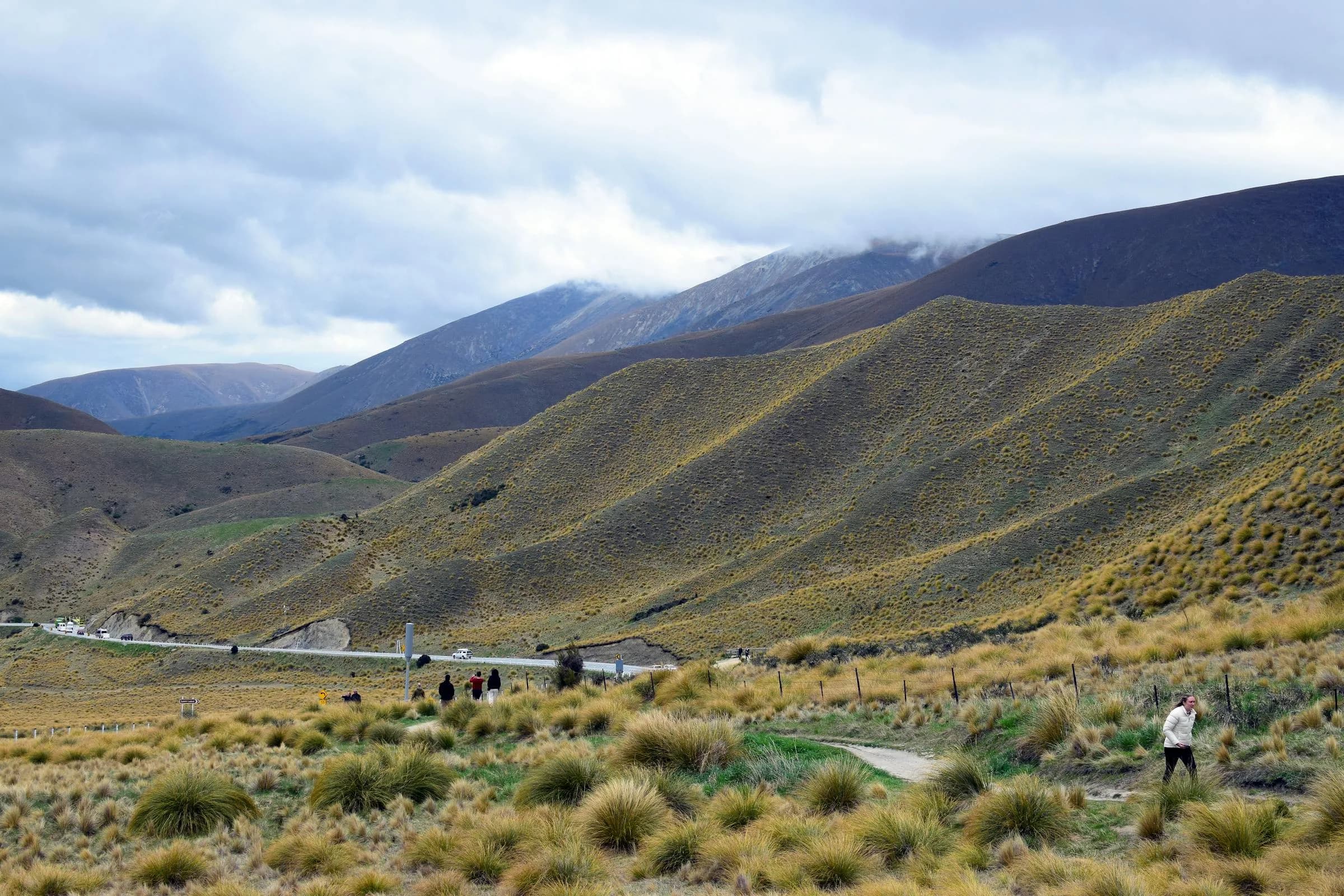
Hosted on approved ground
Himalayan tahr Hunting in New Zealand
A hosted himalayan tahr hunt in New Zealand runs 4–7 days (3–5 hunting days; entry foot hunts as short as 3, wilderness/heli hunts 5–7), best hunted may–aug with a 90–100% success rate. Free-range alpine and estate hunting across both islands. A Huntica host is on the ground for every day of it, and your trip is quoted to order.
Outfitter daily rate
$350–$599/day (1×1 guide; ~$350/day for 2 hunters/1 guide; observer ~$200/day)
Trophy fee
$2,500–$4,500 bull tahr trophy fee where charged separately; many NZ outfitters fold it into the package
Your hosted trip
Quoted to order
2026 outfitter and BookYourHunt listings: BookYourHunt NZ Summer Tahr Hunt 2026/27 (Canterbury) = $2,995 for 5 days, 100% success, gun rental + licence + tahr included; BookYourHunt tahr offers list Classic Free Range Bull Tahr (Canterbury) $7,200/5 days and Wilderness Tahr Hunt $8,500/4 days; Big Game Hunting Adventures (Hawea-area outfitter) publishes daily rates $450 (1×1), $350 (2×1), $200 non-hunter, $150 rifle rental, and states a 95%+ lifetime tahr success rate; Mountain Hunters 2026/27 tahr-only $8,500 (4…
Best months
May–Aug
Typical length
4–7 days (3–5 hunting days; entry foot hunts as short as 3, wilderness/heli hunts 5–7)
Success rate
90–100%
What’s included
- Professional guide / PH (typically 1 guide per hunter)
- Lodge or spike-camp accommodation
- All meals, beverages/soft drinks (often open bar at lodges)
- Ground transfers to/from the nearest South Island airport (Christchurch / Queenstown)
- Field preparation, caping and skinning of the trophy
- Trophy measurement
- Rifle and ammunition rental on many packages (often ~$150)
- Tahr trophy fee folded into many package prices
Usually separate
- —International airfare
- —Helicopter time on access/wilderness hunts (~$1,400/hr, roughly 1 hr per animal)
- —Taxidermy / dip-and-pack
- —Trophy export, shipping and freight
- —Visitor firearms licence fee and personal-firearm import permit (if bringing own rifle)
- —NZ accommodation/meals before and after the hunt
- —Travel insurance and gratuities
Permits, trophies & logistics
- Himalayan tahr is NOT a CITES-listed species — no CITES permit needed to export from NZ or import to the US/EU; DOC offers a free non-CITES declaration letter to reassure overseas border officials
- US import: no USFWS endangered-species clearance required (non-CITES, non-ESA); standard USDA/CBP cleaning and inspection of the hide/horns applies — trophies should be commercially dip-and-packed to clear
- EU import: no CITES Annex permit; standard veterinary/sanitary rules for hunting-trophy hides/horns apply via an approved processor
- Non-resident hunters bringing their own rifle need a NZ Visitor Firearms Licence plus a Police permit to import — apply at least ~4 months before arrival, includes an online theory test on the Firearms Safety Code; most outfitters sidestep this by supplying a rental rifle (~$150)
- DOC manages tahr under the Himalayan Tahr Control Plan; there is no closed season on public conservation land and recreational hunters assist population control — Huntica hosts on approved private/free-range ground
Himalayan tahr in New Zealand, at a glance
- ◈A current BookYourHunt 2026/27 New Zealand Summer Tahr Hunt (Central South Island, Canterbury, ~200 km from Christchurch) is listed at $2,995 for 5 days with a stated 100% success rate, gun rental, hunting licence and up to 2 tahr included.
- ◈Helicopter-access tahr hunts add roughly $1,400 per flight hour, with about 1 hour of flight time per animal harvested.
- ◈A free-range NZ tahr outfitter publishes 2026 daily rates of $450 per hunter (1 hunter/1 guide), $350 per hunter (2 hunters/1 guide), $200 for a non-hunting companion, and a 95%+ lifetime success rate on tahr.
- ◈The tahr rut runs mid-May to early July and bulls carry their prime winter capes/manes from April through August — the trophy window.
- ◈Himalayan tahr is not CITES-listed, so no CITES permit is required to export the trophy from New Zealand or import it to the US or EU; DOC supplies an optional free non-CITES declaration letter.
- ◈Non-residents importing a personal firearm must hold a NZ Visitor Firearms Licence and a Police import permit, applied for at least 4 months before arrival and including an online theory test.
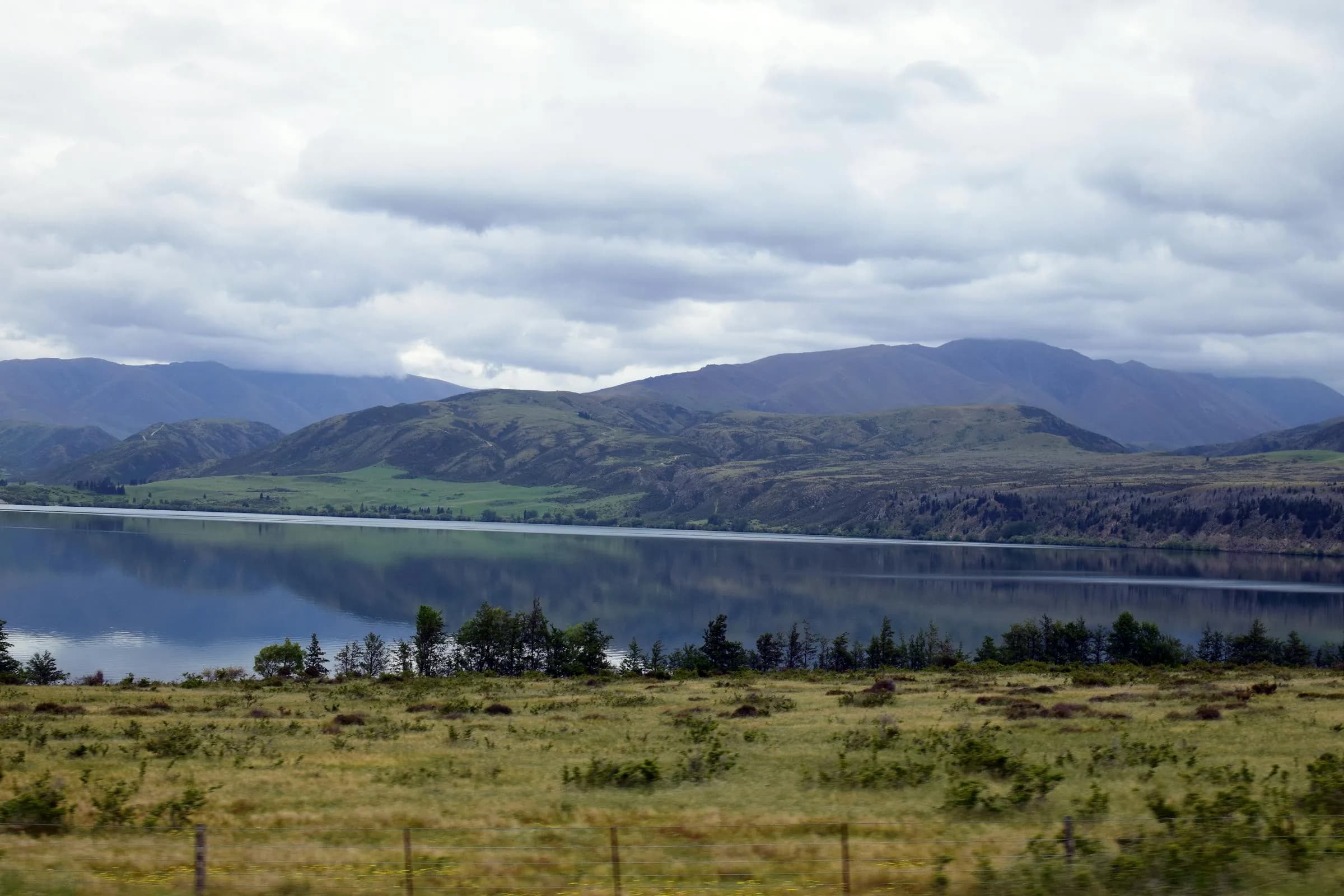
Walked, vetted, hosted.
New Zealand · Approved GroundFrequently asked questions
How much does a Himalayan tahr hunt in New Zealand cost?
On this ground, outfitter daily rates run $350–$599/day (1×1 guide; ~$350/day for 2 hunters/1 guide; observer ~$200/day). Himalayan tahr trophy fee: $2,500–$4,500 bull tahr trophy fee where charged separately; many NZ outfitters fold it into the package. A typical hunt is 4–7 days (3–5 hunting days; entry foot hunts as short as 3, wilderness/heli hunts 5–7). Huntica does not publish a package price — every hosted trip is quoted to order once we know your dates, your list and your group, with a host present throughout. 2026 outfitter and BookYourHunt listings: BookYourHunt NZ Summer Tahr Hunt 2026/27 (Canterbury) = $2,995 for 5 days, 100% success, gun rental + licence + tahr included; BookYourHunt tahr offers list Classic Free Range Bull Tahr (Canterbury) $7,200/5 days and Wilderness Tahr Hunt $8,500/4 days; Big Game Hunting Adventures (Hawea-area outfitter) publishes daily rates $450 (1×1), $350 (2×1), $200 non-hunter, $150 rifle rental, and states a 95%+ lifetime tahr success rate; Mountain Hunters 2026/27 tahr-only $8,500 (4…
When is the best time to hunt Himalayan tahr in New Zealand?
May–Aug (peak rut mid-May to early-Jul; bulls in prime winter capes/manes Apr–Aug). Tahr is open year-round on public land, so summer foot hunts (Dec–Feb) run too, but trophy-quality capes are a winter call. A typical hunt runs 4–7 days (3–5 hunting days; entry foot hunts as short as 3, wilderness/heli hunts 5–7).
What is the success rate on a Himalayan tahr hunt?
90–100% on guided free-range bull tahr; one NZ outfitter publishes a 95%+ lifetime tahr success rate and a current BookYourHunt 2026/27 Canterbury listing states 100% — basis: Big Game Hunting Adventures and BookYourHunt tour #43287
What is included in a hosted Himalayan tahr hunt?
Typically included: Professional guide / PH (typically 1 guide per hunter), Lodge or spike-camp accommodation, All meals, beverages/soft drinks (often open bar at lodges), Ground transfers to/from the nearest South Island airport (Christchurch / Queenstown), Field preparation, caping and skinning of the trophy, Trophy measurement, Rifle and ammunition rental on many packages (often ~$150), Tahr trophy fee folded into many package prices. Usually excluded: International airfare, Helicopter time on access/wilderness hunts (~$1,400/hr, roughly 1 hr per animal), Taxidermy / dip-and-pack, Trophy export, shipping and freight, Visitor firearms licence fee and personal-firearm import permit (if bringing own rifle), NZ accommodation/meals before and after the hunt, Travel insurance and gratuities.
What regulations apply to a Himalayan tahr hunt and trophy?
Himalayan tahr is NOT a CITES-listed species — no CITES permit needed to export from NZ or import to the US/EU; DOC offers a free non-CITES declaration letter to reassure overseas border officials US import: no USFWS endangered-species clearance required (non-CITES, non-ESA); standard USDA/CBP cleaning and inspection of the hide/horns applies — trophies should be commercially dip-and-packed to clear EU import: no CITES Annex permit; standard veterinary/sanitary rules for hunting-trophy hides/horns apply via an approved processor Non-resident hunters bringing their own rifle need a NZ Visitor Firearms Licence plus a Police permit to import — apply at least ~4 months before arrival, includes an online theory test on the Firearms Safety Code; most outfitters sidestep this by supplying a rental rifle (~$150) DOC manages tahr under the Himalayan Tahr Control Plan; there is no closed season on public conservation land and recreational hunters assist population control — Huntica hosts on approved private/free-range ground
Field Notes
Hunt smarter, season after season.
Real cost breakdowns, the best months to hunt each species, draw deadlines, and what our hosts learn on the ground — a few times a season, never noise.
No spam. Unsubscribe anytime.
Plan your New Zealand hunt
Tell us your dates and party size. A Huntica host will price your himalayan tahr hunt and walk you through the ground personally.
Tell us where you want to go