
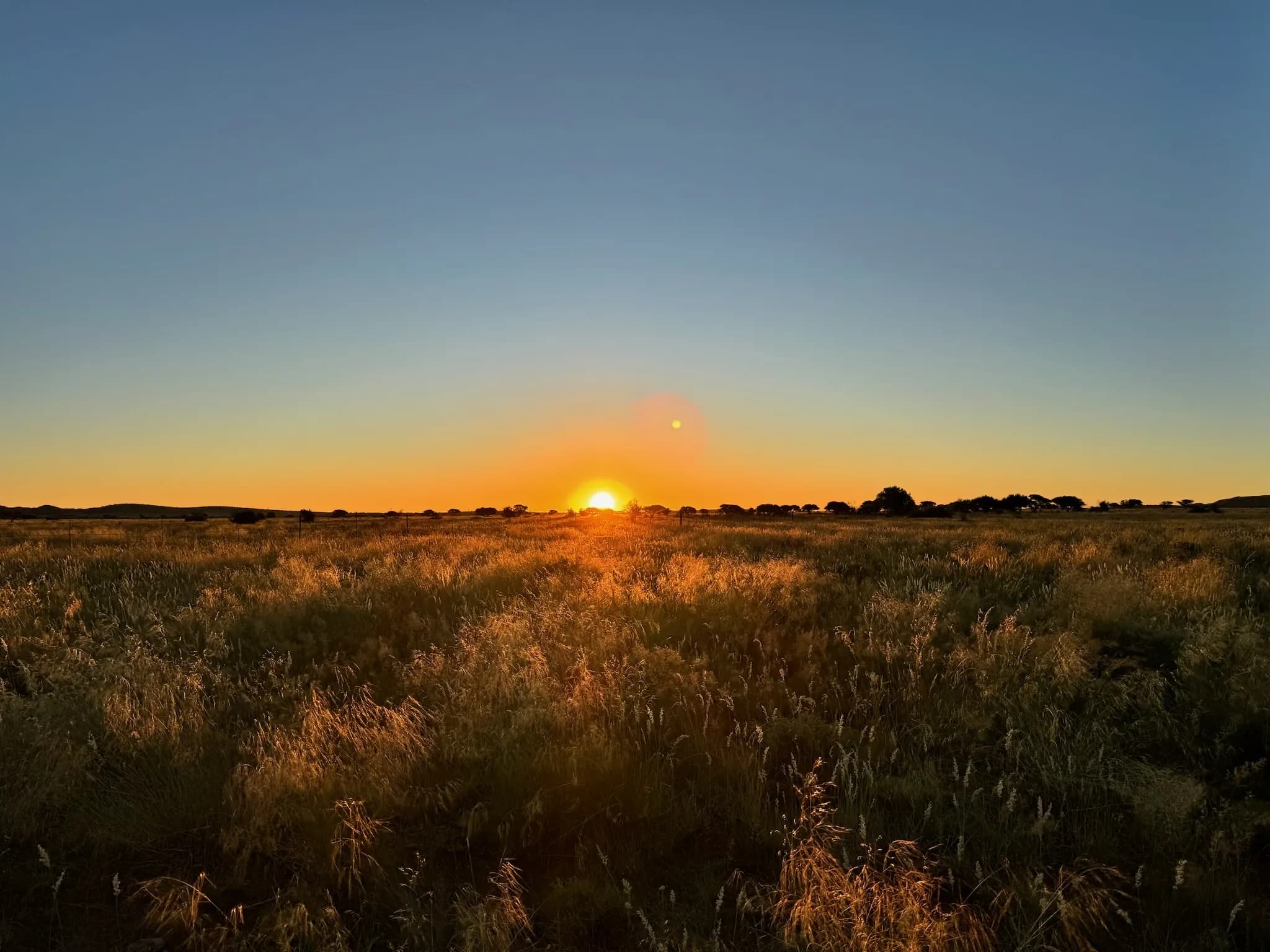
Hosted on approved ground
Sable Antelope Hunting in South Africa
A hosted sable antelope hunt in South Africa runs 5 days minimum for a focused sable hunt, 7 days when sable is the centrepiece of a wider trip, best hunted May–Aug. Free-range plains game across the Northern Cape Karoo, hosted on approved ground. A Huntica host is on the ground for every day of it, and your trip is quoted to order.
Outfitter daily rate
$350–$550/day in Limpopo and the Northern Cape, covering accommodation, meals, PH services, trackers and field vehicles (roughly $2,450–$3,850 over 7 days)
Trophy fee
$4,500–$9,000+, tiered by horn length — under 40" at the low end, 40–42", then 42–45", with 45"+ bulls priced individually
Huntica sable hunting guide: daily rates $350–$550/day across Limpopo and Northern Cape ranches; sable trophy fees $4,500–$9,000+ tiered by horn length. Sable fees sit far above other antelope for two documented reasons — breeding economics carried over from South Africa's game-ranching boom, and slow maturity (a bull takes six to eight years to grow trophy horns and earn his black coat). Companion species on the same itinerary: roan $6,000–$12,000+, gemsbok $1,200–$1,800, blue wildebeest $800–$1,200, impala $400–$600, springbok $350–$600. A self-booked 7-day sable-focused hunt with two plains-game animals runs $9,000–$18,000 per hunter before flights, taxidermy and shipping.
Best months
May–Aug
Typical length
5 days minimum for a focused sable hunt, 7 days when sable is the centrepiece of a wider trip
What’s included
- A Huntica host physically present for the full trip
- Professional Hunter (PH) and trackers
- Lodge accommodation and all meals
- Daily hunting vehicle and fuel
- Field preparation of the trophy (skinning, salting)
- Airport transfers
- Sable trophy fee on a successful, recovered animal
Usually separate
- —International flights to/from South Africa
- —Dip-and-pack (export prep of the trophy)
- —Taxidermy work and trophy shipping/freight
- —SAPS 520 firearm temporary-import handling and rifle hire if needed
- —Gratuities for PH/trackers/staff
- —Additional species taken beyond the sable
- —Travel insurance and pre-/post-hunt nights
Permits, trophies & logistics
- Sable antelope (Hippotragus niger) is NOT CITES-listed — no CITES permit needed to export from South Africa or import to the US/EU
- US hunters: trophy must be declared and clears USFWS / US Customs on arrival (USFWS Form 3-177)
- EU hunters: plains-game trophies import freely (no EU import permit for non-CITES species); raw game MEAT may not be imported into the EU/US
- Firearm temporary import: SAPS 520 permit issued on arrival — up to 4 rifles (max one per caliber), up to ~200 rounds per firearm
- Dip-and-pack at a registered facility is required before any trophy leaves South Africa
Sable antelope in South Africa, at a glance
Market figures from named outfitters, listings and regulators — not Huntica’s price.
- ◈Sable trophy fees in South Africa run $4,500–$9,000 or more, tiered by horn length, on top of daily rates of $350–$550
- ◈A mature southern sable bull carries horns that sweep back over his shoulders; 40 inches marks a genuine trophy and 41–45 inches is the benchmark a serious sable hunter targets
- ◈A sable bull takes six to eight years to grow trophy horns and earn his black coat, which is a documented driver of the trophy fee
- ◈The South African sable season runs March through October, with May–August the peak stalking window
- ◈A focused sable hunt needs a minimum of 5 days; 7 days is the norm when sable is the centrepiece of the trip
- ◈Roan antelope, sable's close cousin, commonly carries a trophy fee of $6,000–$12,000 or more
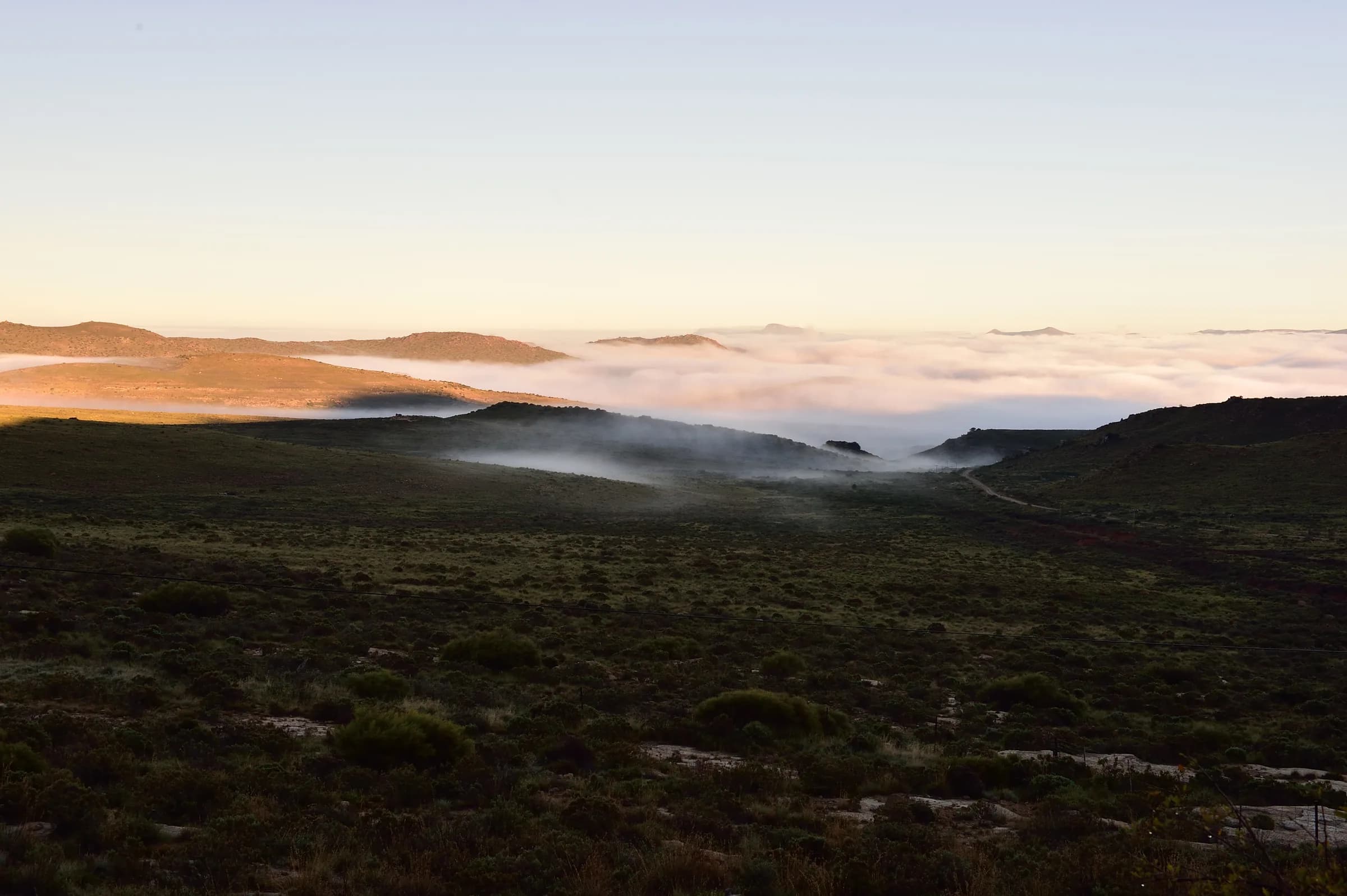
Walked, vetted, hosted.
South Africa · Approved GroundSee every species we host. How hunting costs work.
More hunts in South Africa: Greater kudu hunting · Gemsbok hunting · Impala hunting · Springbok hunting · Blue wildebeest hunting · Burchell's zebra hunting · Warthog hunting · Blesbok hunting · Eland hunting · Red hartebeest hunting · Cape buffalo hunting · Nyala hunting · Waterbuck hunting
Frequently asked questions
How much does a sable antelope hunt in South Africa cost?
On this ground, outfitter daily rates run $350–$550/day in Limpopo and the Northern Cape, covering accommodation, meals, PH services, trackers and field vehicles (roughly $2,450–$3,850 over 7 days). Sable antelope trophy fee: $4,500–$9,000+, tiered by horn length — under 40" at the low end, 40–42", then 42–45", with 45"+ bulls priced individually. A typical hunt is 5 days minimum for a focused sable hunt, 7 days when sable is the centrepiece of a wider trip. Huntica does not publish a package price — every hosted trip is quoted to order once we know your dates, your list and your group, with a host present throughout. Huntica sable hunting guide: daily rates $350–$550/day across Limpopo and Northern Cape ranches; sable trophy fees $4,500–$9,000+ tiered by horn length. Sable fees sit far above other antelope for two documented reasons — breeding economics carried over from South Africa's game-ranching boom, and slow maturity (a bull takes six to eight years to grow trophy horns and earn his black coat). Companion species on the same itinerary: roan $6,000–$12,000+, gemsbok $1,200–$1,800, blue wildebeest $800–$1,200, impala $400–$600, springbok $350–$600. A self-booked 7-day sable-focused hunt with two plains-game animals runs $9,000–$18,000 per hunter before flights, taxidermy and shipping.
When is the best time to hunt sable antelope in South Africa?
The South African season runs March–October and sable can be hunted across all of it. May–August is peak: winter thins the grass and opens sightlines, which suits the glass-and-stalk approach sable demand, and animals concentrate around water and better grazing so a resident herd or a bachelor group of old bulls becomes far more findable. Days run 15–24°C, first light 2–10°C. March–April is greener with glossier coats but thicker cover; September–October is driest and concentrates game hard, at the cost of building heat and bulls that have seen pressure. A typical hunt runs 5 days minimum for a focused sable hunt, 7 days when sable is the centrepiece of a wider trip.
What is included in a hosted sable antelope hunt?
Typically included: A Huntica host physically present for the full trip, Professional Hunter (PH) and trackers, Lodge accommodation and all meals, Daily hunting vehicle and fuel, Field preparation of the trophy (skinning, salting), Airport transfers, Sable trophy fee on a successful, recovered animal. Usually excluded: International flights to/from South Africa, Dip-and-pack (export prep of the trophy), Taxidermy work and trophy shipping/freight, SAPS 520 firearm temporary-import handling and rifle hire if needed, Gratuities for PH/trackers/staff, Additional species taken beyond the sable, Travel insurance and pre-/post-hunt nights.
What regulations apply to a sable antelope hunt and trophy?
Sable antelope (Hippotragus niger) is NOT CITES-listed — no CITES permit needed to export from South Africa or import to the US/EU US hunters: trophy must be declared and clears USFWS / US Customs on arrival (USFWS Form 3-177) EU hunters: plains-game trophies import freely (no EU import permit for non-CITES species); raw game MEAT may not be imported into the EU/US Firearm temporary import: SAPS 520 permit issued on arrival — up to 4 rifles (max one per caliber), up to ~200 rounds per firearm Dip-and-pack at a registered facility is required before any trophy leaves South Africa
Field Notes
Hunt smarter, season after season.
Real cost breakdowns, the best months to hunt each species, draw deadlines, and what our hosts learn on the ground — a few times a season, never noise.
No spam. Unsubscribe anytime.
Plan your South Africa hunt
Tell us your dates and party size. A Huntica host will price your sable antelope hunt and walk you through the ground personally.
Tell us where you want to go