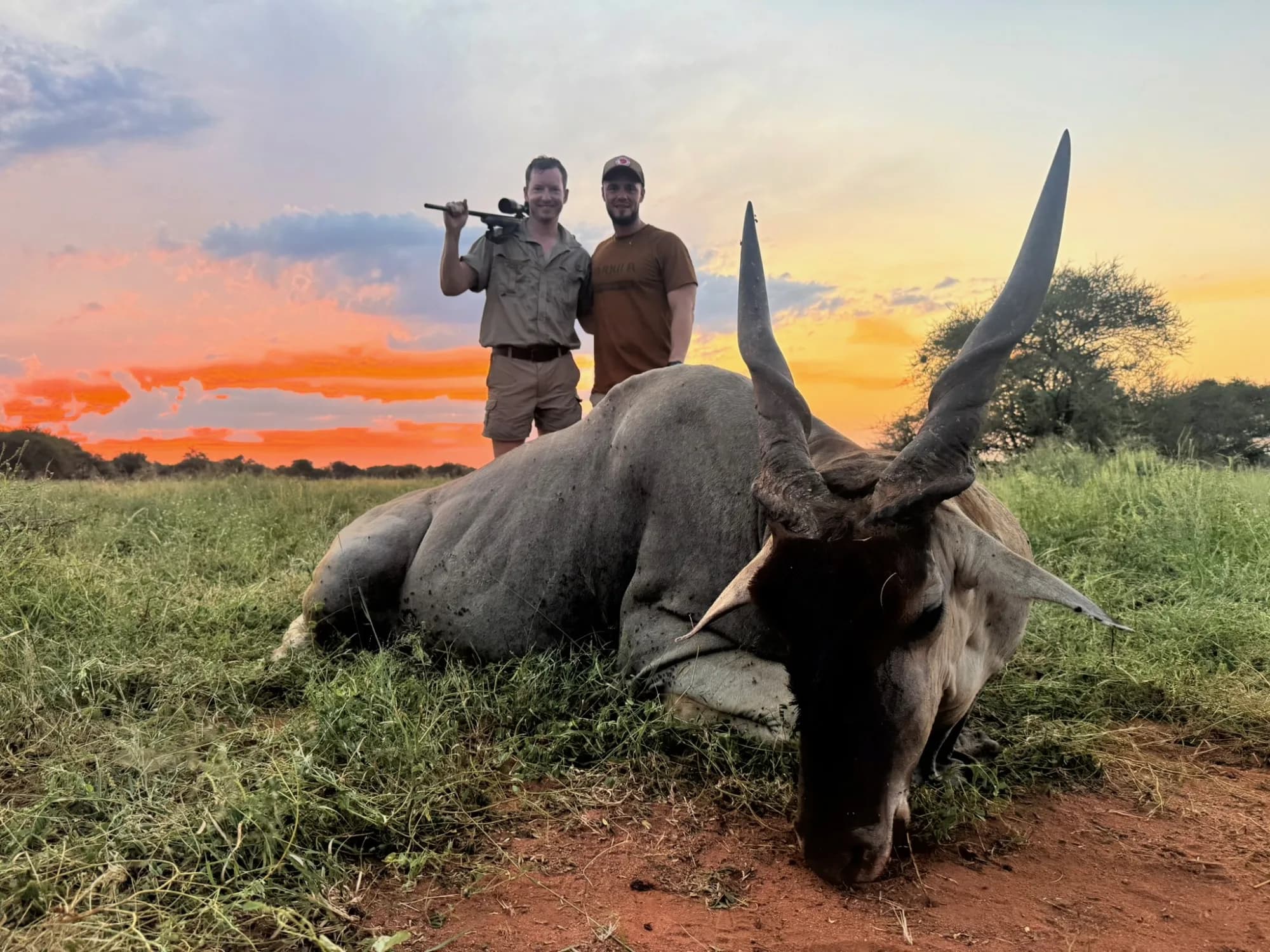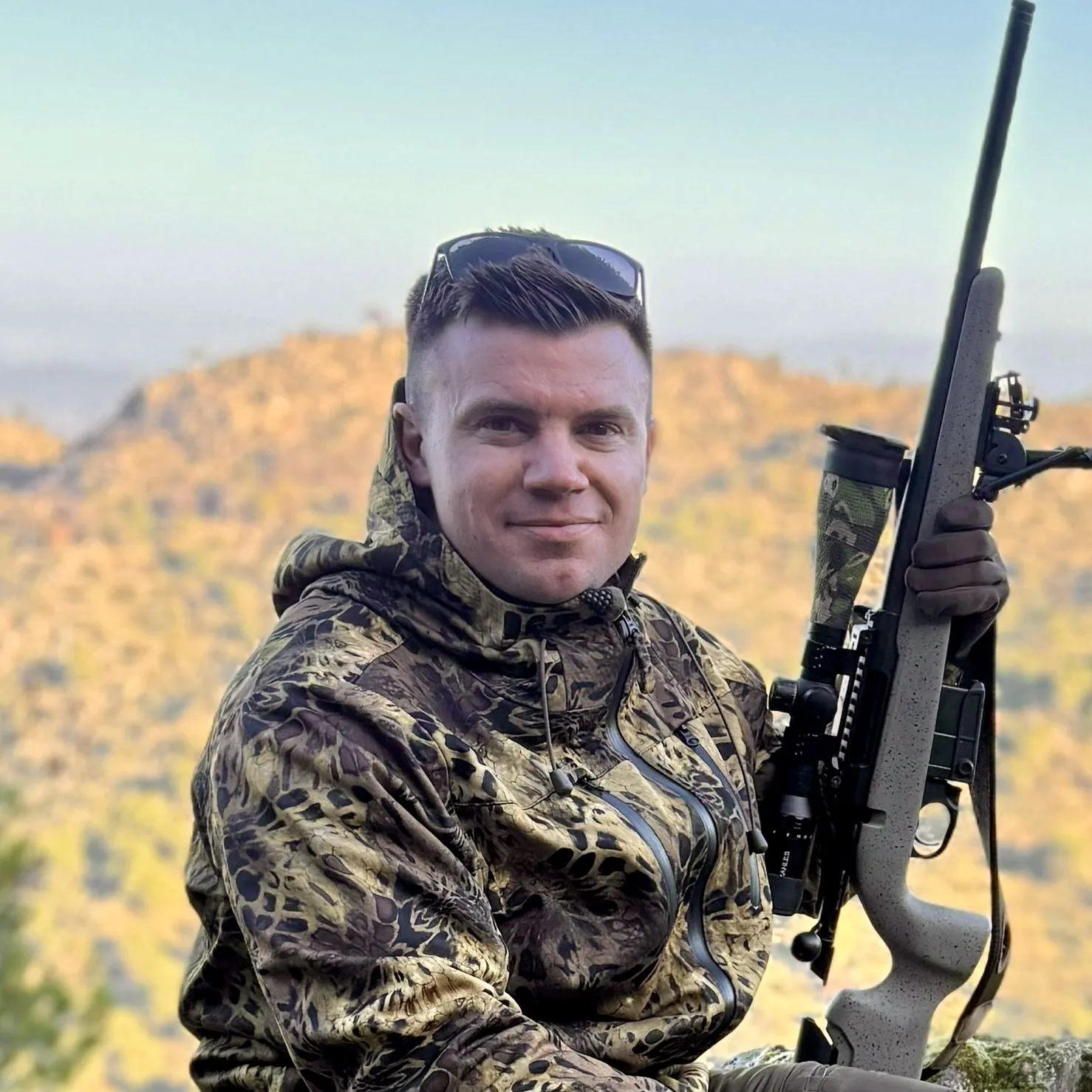
Brotherhood corporate hunting is a hosted hunting trip designed around a business network — board members, executive teams, partner firms, key clients, family-office cohorts — where the stated purpose of the trip is relationship capital, not the trophy. A trained host from the booking company is on the ground for the full duration, the lodge and outfitter are vetted to standards higher than a private hunt would require, and the daily rhythm is engineered so that the most valuable conversations happen in the spaces between hunts: the morning drive out, the post-stalk debrief at lunch, the long evening at the fire. At Huntica, this is the third of our three tiers — Hosted, Bespoke, and Brotherhood — and it's the format growing fastest among CEOs, managing partners, and family-office principals across the US, Europe, and the GCC.
The premise is simple. Most corporate offsites and golf retreats spend three days achieving what a well-run hunting trip achieves on day two: a small group of senior people, away from their phones and titles, sharing an experience that requires patience, judgment, and trust. The trophy is incidental. The hunt is the format that produces the conversations.
This guide is a complete breakdown of how Brotherhood trips work — who they're for, what they cost, how they differ from a private hunt, what to expect day by day, and how to evaluate whether the format fits your specific objective.
What is "Brotherhood" in this context?
Brotherhood is a category name we use at Huntica, not a generic industry term. We chose it deliberately. The dynamic that makes a corporate hunting trip work isn't elite, exclusive, or transactional — it's the same dynamic that makes a long shared hunt with friends valuable. Trust deepens through shared time, shared challenge, and shared restraint. A board member learns more about a co-investor by walking three kilometers behind a tracker in silence than by reading every quarterly report they've ever published.
The Brotherhood format applies that dynamic to a business context. Six to eight people, almost always senior, often from different organizations connected by a common business thread, hunting together for seven to ten days on Approved Ground with a host running the experience. The host is the facilitator — knowing when to step back so the group's own conversation takes over, knowing when to step in so a logistical issue doesn't break the momentum.
This is different from a "company retreat" because the participants don't all work for the same firm. It's different from a "client experience" trip because the host of the trip is a Huntica founder, not a salesperson trying to close anyone. And it's different from a private group hunt because the explicit purpose is the relational outcome — the book of business that will exist at the end of the year because of the conversations that happened on day five.
Who actually books a Brotherhood hunt?
Three buyer profiles are clearly emerging:
Family-office principals building their core network. The buyer is typically a single principal who invites the seven most important people in their long-term professional life — co-investors, advisors, occasional partners — for a once-a-year experience that compounds over a decade. The principal pays for the full group; the trip is a strategic investment, not a perk. We've seen this format land particularly hard with multi-generational family offices in Europe and the GCC, where the trip is also a generational handover moment — the patriarch's last hunt, the heir's first.
Founders of mid-market firms at the inflection point where their business depends more on a small set of strategic relationships than on broad sales pipeline. CEOs of firms in the €20M to €200M revenue range frequently host their top three suppliers, top two financial relationships, and top two senior advisors for a week. Conversations that take six months in a quarterly cadence happen in five days at Magersfontein.
Senior executive teams from large enterprises using the trip as a hard reset for a leadership group going through a transition — a merger, a leadership succession, a strategy shift. Eight executives, no agenda papers, no decks, no facilitators with name badges. A host running the operational layer, a Professional Hunter (PH) on each pair, and the team finding its own conversation rhythm in real time.
In each case the trip has to deliver three things: trip quality (a real hunt, real ground, real game), social architecture (the group composition fits, the sleep arrangements work, the daily rhythm allows for the right conversations), and confidentiality (what happens on the trip stays on the trip, including any of the discussions that emerge).
What does a Brotherhood hunt cost, and what does the price actually buy?
A Brotherhood trip is quoted to the trip: one written figure per hunter for a 7- to 10-day trip, with non-hunting accompanying members quoted separately depending on the destination and inclusion of activities. The quote covers all hosting, lodge, daily hunting, ground transport, trophy fees within an agreed allocation, and one significant evening hosted off-property (a private restaurant in Cape Town the night before departure, a wine-paired dinner at a partner estate in Andalusia, a dawn helicopter flight over a glacier in Greenland).
What the price actually buys, line by line:
A founder on the ground for the full trip. The host is a Huntica co-founder (Alex Hohne, Rasmus Jakobsen, Dennis Kristensen, or Joachim) — not a contractor, not a junior representative. The hosting fee is not negotiable downward to a non-founder; it's the founder's presence that makes the trip work. For Brotherhood specifically, the host is selected to match the group's destination, language profile, and cultural context.
Approved Ground at the highest standard. Every Huntica destination is personally vetted by a co-founder and re-reviewed annually under our internal Approved Ground Checklist. For Brotherhood trips specifically, we apply additional standards: the lodge must support the group's size without compromising privacy, the catering must accommodate the group's dietary and cultural requirements, and the ground transport must allow the group to move together when they want to.
Hour-by-hour trip design. A Brotherhood trip is engineered. Where the group eats breakfast together versus splits, when the rest day falls, who shares vehicles on which days, how the evening conversation is shaped without ever feeling shaped — all of this is in the trip brief, prepared by the host with the lead client weeks before arrival.
Confidentiality protocols. No trip-level photography is published without explicit written consent from every group member. The host signs an additional confidentiality agreement specific to the Brotherhood tier. Lodge staff are briefed accordingly. For groups where a participant's identity needs to be protected (public figures, government officials, HNW individuals with privacy needs), the trip is coordinated entirely off-record from the booking stage.
Concierge layer. Brotherhood trips include the work-around-the-trip — international flight coordination, charter aircraft if needed, taxidermy and trophy logistics for every group member, post-trip relationship maintenance for the host firm.
What the price doesn't buy: international flights, travel insurance (mandatory and the responsibility of each hunter), taxidermy and trophy shipping unless explicitly bundled, and any species or trophy fees beyond the agreed allocation. Pricing is fully transparent in the Trip Proposal — every line item is shown, and the hosting fee is stated explicitly rather than buried.
How is Brotherhood structurally different from a private group hunt?
The same eight people could book a private Bespoke trip and have a great time. The structural differences that make Brotherhood specifically valuable are:
Group composition is engineered. The lead client and the host work together at the briefing stage to think about who is in which vehicle on which day, where the deliberate conversation pairings happen, who roomed near whom, and how the group integrates the inevitable extrovert-introvert mix. None of this is heavy-handed during the trip itself — it's invisible to the participants. But the architecture is real.
Pre-trip preparation is deeper. Each participant fills out a pre-trip brief that captures more than dietary needs and shoe size — it captures professional context, what they hope to get from the trip beyond the hunt, who in the group they'd particularly value time with, and what topics they'd prefer not to discuss. The host uses this to shape the daily rhythm. We never share this information; we use it.
The lead host carries facilitation skill, not just hosting skill. A Brotherhood host knows when an evening conversation is finding its own rhythm and should be left alone, and when it's stalling and benefits from a re-direction, a story, or a quiet check-in. This is craft, not script. It's the difference between a trip that produces three new business relationships at Year 1 and a trip that produces twelve at Year 5.
Post-trip follow-up is structured for relationship capital, not trophy delivery alone. Standard Huntica post-trip cadence applies — photo album at 14 days, survey at 21 days, personal call at 30 days, gift at 60 days, next-hunt conversation at 90 days. For Brotherhood specifically, we add: a host-facilitated group reunion conversation at six months (a video call where the group reconnects), an offer of a same-group reunion trip at year three, and a commitment to remember and reference the small details that came up on the trip every time we communicate with any group member.
Why is hunting a better corporate format than golf, sailing, or wine country?
Each format has its place. Hunting differentiates on three axes:
Time horizon. A round of golf is four hours. A weekend in wine country is three days. A hosted hunt is seven to ten days. The marginal value of day six over day three is significant — it's the day the participants stop performing for each other and start being themselves. Most other corporate formats end before that day arrives.
Cognitive load. Hunting requires sustained attention and physical patience. The hunter is not on their phone, not in their email, not in their calendar — for hours at a time, day after day, by structural necessity rather than imposed restriction. The reset on the nervous system is real and measurable. Golf has periods of focus; hunting has long stretches of it.
The conversational architecture of waiting. Hunting involves substantial periods of waiting, walking, and observing in proximity to one other person — a tracker, a PH, another hunter. The conversational format of "two people walking, one ahead, both quiet, occasional words" is not available in any other corporate-retreat format and is the single highest-leverage social pattern on the trip. Most of the conversations that produce Year-3 outcomes happen during these walks, not at the dinner table.
That said, hunting is not for everyone. A corporate group with one or more participants who are uncomfortable with firearms, with the ethics of taking an animal, or with the physical demands of multi-day field activity is the wrong group for Brotherhood. We turn down trips when the group composition doesn't fit. The post-trip outcome of a participant who did not want to be there is worse than no trip at all.
What does a typical Brotherhood week look like?
Day-by-day for a hosted Brotherhood plains-game trip at Magersfontein, Northern Cape, South Africa — not because Magersfontein is the only Brotherhood destination, but because it's the most accessible illustration of the format.
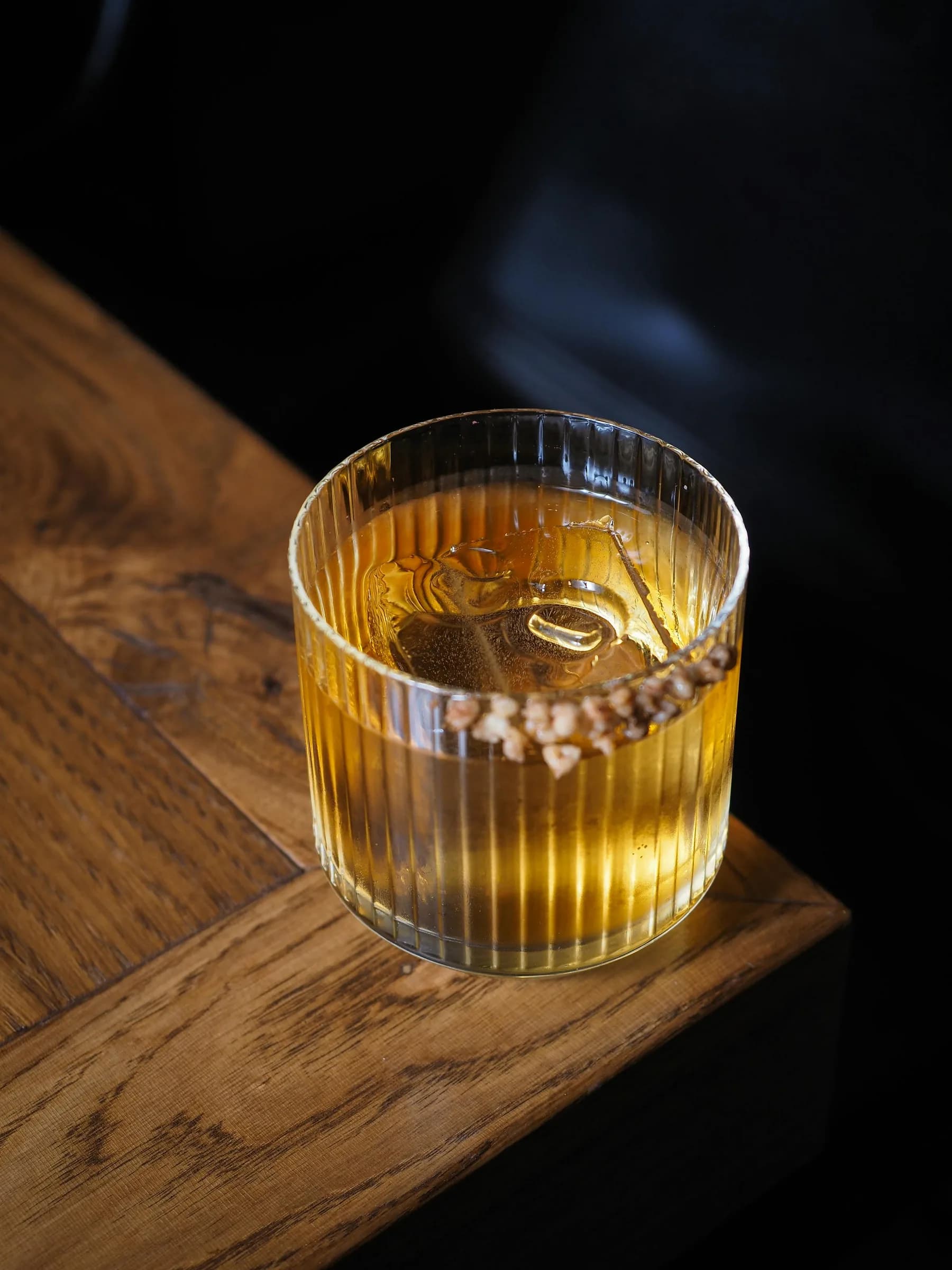
Day 1 — Arrival. Host meets the full group at Kimberley airport, transfers in convoy to the lodge (under 30 minutes), welcome brief, rifle zeroing, sundowner at the firepit. No hunting. The night is for the group to settle into the same rhythm.
Day 2–6 — Hunting days. Pre-dawn coffee at 5:30, two-hunter pairings into the field by 6:15 with a PH and tracker, return to the lodge for late breakfast and rest by 11:00, group lunch at 13:00 with all PHs present, afternoon hunt from 15:30 to dusk, evening at the lodge.
Day 4 — Rest day or off-property excursion. A full day off the hunt for the group's own use. At Magersfontein, this often means a morning at Kimberley's Big Hole museum, an afternoon visit to a partner Karoo wine estate, or simply a long lunch and a slow afternoon at the lodge with no agenda. The rest day is the engineered conversation pivot — the day the group's relationships shift from "guests at a hunting lodge" to "people who have spent five days together."
Day 7 — Final morning hunt and group dinner. A short morning hunt for those who want it. The day winds down with a group photograph, trophy review, and a hosted dinner that the host has carefully designed — sometimes at the lodge, sometimes at a partner location off-property. This is the evening where the trip's core conversation crystallizes.
Day 8 — Departure. Personal farewell from the host, transfer to Kimberley, and the start of Huntica's post-trip cadence.
Variations apply by destination — a Greenland muskox Brotherhood trip is shorter (typically 6 days) and more compressed; a Spanish Ibex Grand Slam Brotherhood is longer (10 to 14 days) and moves between regions. The architecture is consistent.
How do you choose the right destination for a Brotherhood trip?
Three filters narrow the choice quickly.
Group physical readiness. A 50-something senior partner cohort with mixed fitness is best suited to plains-game South Africa or driven-style Spanish trips, where the hunting is challenging but not punishing. A younger or fitter group can take on the elevation work of New Zealand tahr or Spanish Ibex Grand Slam high-mountain ground.
Group cultural context. GCC family-office groups often start with Spain (geographic proximity, cultural ease, halal-supportive lodges) before moving to South Africa. US executive groups often start with South Africa (the iconic first-international-hunt experience) before branching into Spain or the Americas. Scandinavian groups often start in their adjacent regions (Greenland muskox or driven Spanish hunts) before expanding.
The kind of conversation the lead client wants the trip to produce. A high-energy social trip — Argentina dove combined with red stag rut, the long evenings at a Patagonian estancia, the trip is dense and fast. A reflective trip — Greenland muskox in early autumn, the silence of the tundra, the trip is sparse and slow. The host helps the lead client think through this filter explicitly during the briefing call.
There's no single right destination. There is a right matching of destination to objective.
What's the lead time, and how should you start?
Brotherhood trips have a typical lead time of 6 to 12 months from first conversation to departure. The longer end is needed when the group is large (8+), when the destination is high-demand (Spanish Ibex Grand Slam in October–December, Greenland muskox in September), or when the dietary and cultural arrangements require advance lodge coordination (halal catering, prayer arrangements, alcohol-free configurations).
Starting is straightforward. The lead client has an initial 30-minute conversation with a Huntica co-founder — usually Dennis or Alex — to talk through who the group is, what the objective of the trip is, and which destinations might fit. From there, we prepare a Trip Proposal with hour-by-hour design, total investment, and a recommended host. The deposit (30%) confirms the booking. Balance is due 60 days before departure.
The first booking conversation is the most important. The lead client should come prepared to articulate, in their own words, what the trip is for. The hunting is the format. The format only works if the underlying objective is clear.
Frequently asked questions
What is a Brotherhood corporate hunting trip?
A Brotherhood corporate hunting trip is a hosted hunting trip designed for a business network — typically 6 to 8 senior participants from different organizations connected by a strategic relationship — where the explicit purpose of the trip is relationship capital and the hunt is the format. A trained host from the booking company is on the ground for the full duration, the lodge and outfitter are vetted to higher standards than a private hunt would require, and the daily rhythm is engineered so that the most valuable conversations happen in the spaces between hunts.
How is Brotherhood different from a private group hunt?
The same group could book a private hunt and have a great time. Brotherhood differs in four ways: group composition is deliberately engineered around the relational outcome, pre-trip preparation captures professional context not just logistics, the host carries facilitation skill alongside hosting skill, and the post-trip follow-up is structured for relationship capital over years rather than trophy delivery alone.
What does a Brotherhood corporate hunting trip cost?
A Brotherhood trip is quoted to the trip — one written figure per hunter for a 7- to 10-day trip, with non-hunting accompanying members quoted separately depending on destination and inclusions. The quote includes hosting, lodge, daily hunting, ground transport, trophy fees within an agreed allocation, and one significant off-property hosted evening.
Who pays for a Brotherhood corporate hunting trip — the company or the participants?
Both models are common. Many family-office principals and CEOs cover the entire group as a strategic investment. In other formats, each participant or their organization pays their own share. Huntica handles either arrangement — single-payer or multi-payer — through the Group Booking framework in our Booking Terms, with one named Group Leader as the authorized representative.
How is confidentiality handled on a Brotherhood trip?
Brotherhood trips include confidentiality protocols beyond the standard Huntica trip: no trip-level photography is published without explicit written consent from every group member, the host signs an additional confidentiality agreement specific to the tier, lodge staff are briefed on confidentiality requirements, and the trip is coordinated entirely off-record from the booking stage where participants need additional privacy.
What if my company has participants who are uncomfortable with hunting?
Brotherhood trips are not for groups where one or more participants are uncomfortable with firearms, with the ethics of taking an animal, or with the physical demands of multi-day field activity. We turn down trips where the group composition doesn't fit, because the post-trip outcome of a participant who did not want to be there is worse than no trip at all. Where most of the group hunts but a small number prefer to participate as non-hunting companions, that arrangement is straightforward and well-supported across all six Huntica destinations.
How do you measure success on a Brotherhood corporate hunting trip?
The honest answer is that success is measured at the relationship level over years, not at the trip level over weeks. Operationally, we measure trip quality through the standard Huntica post-trip survey (overall trip rating, hosting rating, outfitter rating). The deeper measure — whether new business relationships, partnerships, or strategic alignments emerged from the trip — is captured in the host-facilitated reunion conversation at six months and tracked privately by the lead client. We don't quantify it externally. The lead clients who book repeat Brotherhood trips with us tell us the trip pays for itself within twelve months. That's the metric that matters.
Tell us where you want to go. Hunts that become stories.