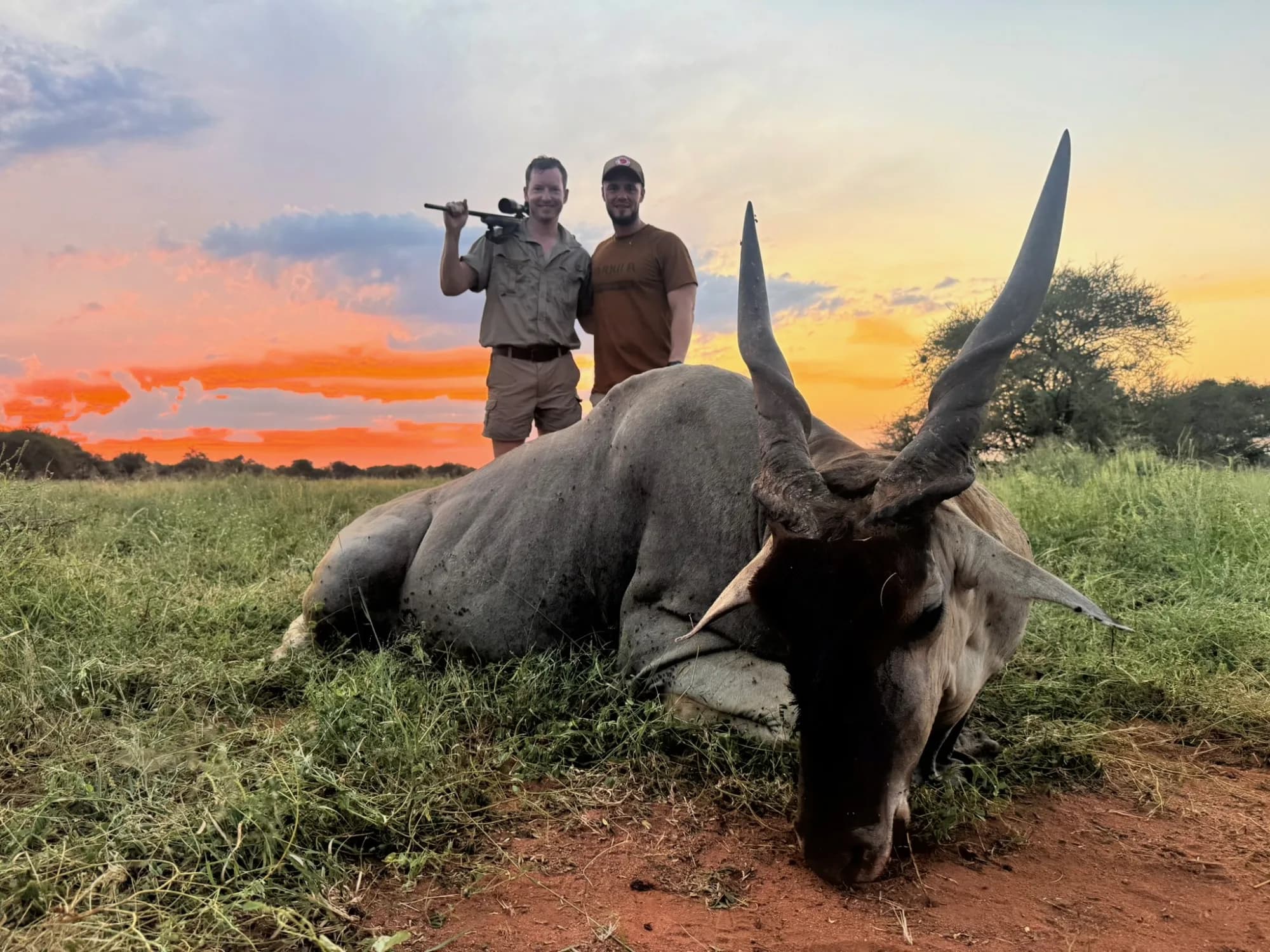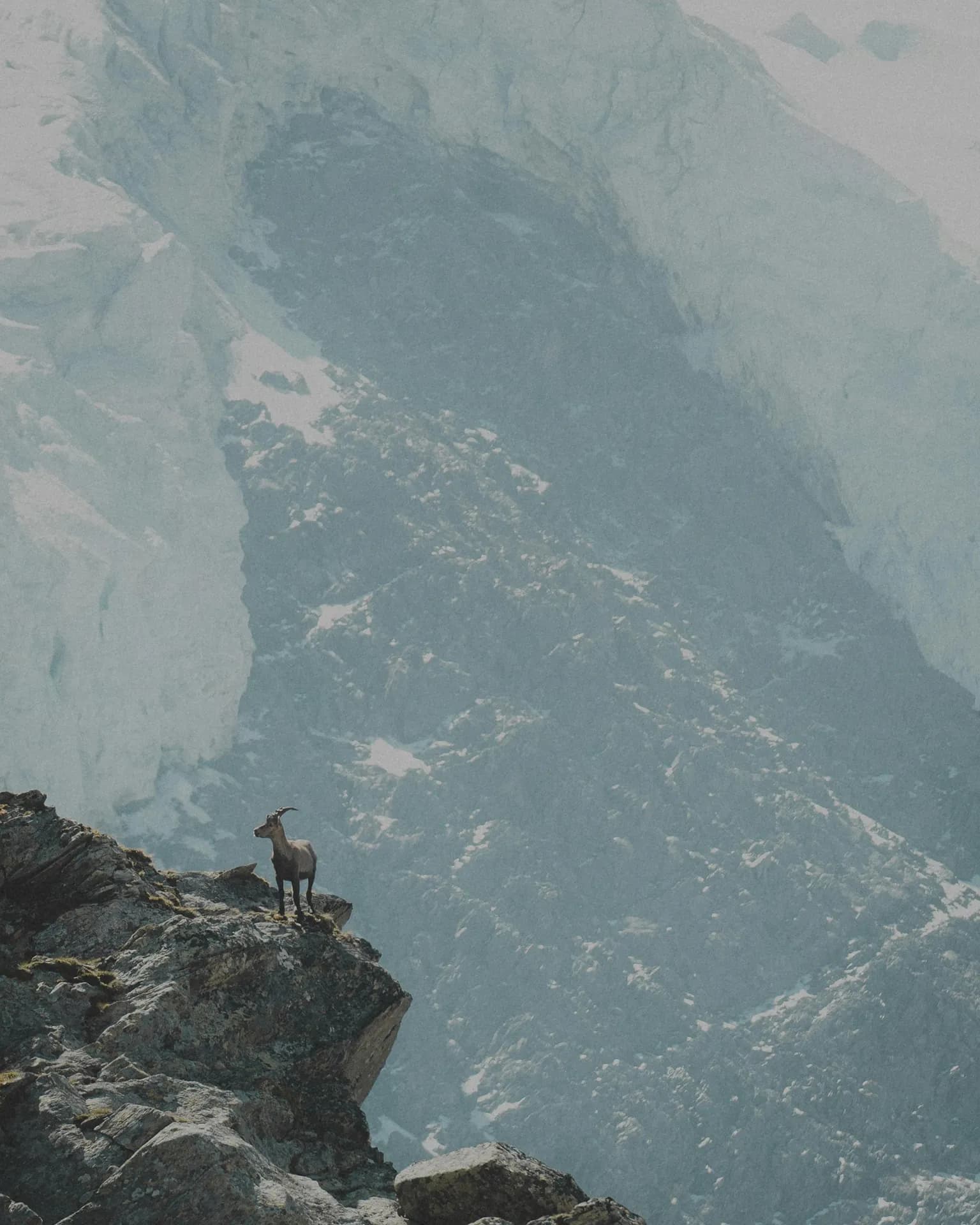
Spanish ibex hunting is a mountain pursuit of Capra pyrenaica — Europe's most accessible and rewarding wild goat, found exclusively in Spain across four recognized subspecies in four distinct mountain regions. Spain holds an estimated 80,000-90,000 ibex across all subspecies, making it the ibex capital of the world and the only country where a hunter can pursue four genetically distinct ibex populations in a single trip. The Beceite ibex of the Maestrazgo mountains, the Gredos ibex of central Spain, the Ronda ibex of Andalusia, and the Southeastern ibex of Murcia and Valencia each carry distinctly different horn shapes, inhabit different terrain, and offer a different hunting experience.
I hunt Spain regularly — our Sierra de Andujar ground in Andalusia is one of Huntica's six flagship destinations. Ibex hunting here is spot-and-stalk mountain work at its purest. No hides, no bait stations, no driven formats. You glass a mountain face at dawn, locate a billy worth pursuing, and spend the next 3-6 hours working through rocky terrain to reach a shooting position. The animal earns every inch of the approach.
What are the four Spanish ibex subspecies?
Spain recognizes four living subspecies of Capra pyrenaica, each occupying a distinct geographic range and carrying unique horn characteristics. Two additional subspecies — the Portuguese ibex (C. p. lusitanica) and the Pyrenean ibex (C. p. pyrenaica) — are extinct, the latter famously since 2000. Understanding the four living subspecies is essential for planning an ibex hunt.
Beceite Ibex (Capra pyrenaica hispanica): Found in the Maestrazgo mountains and Puertos de Beceite in the border region of Teruel, Tarragona, and Castellón provinces (Aragon, Catalonia, and Valencia). Beceite ibex carry the most dramatic horns of the four subspecies — wide, sweeping lyrate curves that flare outward before spiraling back. A mature Beceite billy's horns can exceed 75 cm and the spread can reach 60 cm or more. Population: approximately 25,000-30,000. This is the most sought-after subspecies for trophy hunters.
Gredos Ibex (Capra pyrenaica victoriae): Endemic to the Sierra de Gredos in central Spain (Avila province, Castilla y León). The Gredos ibex is the rarest of the four and the most expensive to hunt — populations were reduced to under 500 animals in the early 1900s before a royal hunting reserve was established by King Alfonso XIII in 1905. Today, the Gredos population stands at approximately 8,000-10,000. Horns are heavy, compact, and lyrate with a distinctive inward curl at the tips. Horn length rarely exceeds 70 cm, but the mass and character of Gredos horns make them prized.
Ronda Ibex (Capra pyrenaica hispanica, Andalusian population): Found in the Serranía de Ronda, Sierra de las Nieves, Sierra de Grazalema, and Sierra Nevada mountains of Andalusia (Málaga, Cádiz, Granada provinces). Some taxonomists classify Ronda as a separate subspecies; others group it with Beceite under hispanica. For trophy record purposes, SCI and most hunting organizations recognize it as distinct. Horns tend to be more upright and less flared than Beceite, with a tighter spiral. Population: approximately 20,000-25,000. Ronda ibex hunting can be combined with Huntica's Sierra de Andujar destination, where we also host driven wild boar and red-legged partridge.
Southeastern Ibex (Capra pyrenaica hispanica, southeastern population): Found in the Sierra de Cazorla, Sierra de Segura, Murcia, Alicante, and parts of Almería and Granada. This is the most numerous and accessible subspecies — populations are strong, permits are readily available, and hunting can take place year-round on many cotos (hunting reserves). Horns are typically the smallest of the four subspecies but can still reach 65-70 cm on mature billies. Trophy fees are the lowest of the four, making Southeastern the natural starting point for a Spanish ibex grand slam.
Where is ibex hunting best in Spain?
Each subspecies requires hunting in its specific range, but within those ranges, certain areas stand out for trophy quality, access, and hunting experience.
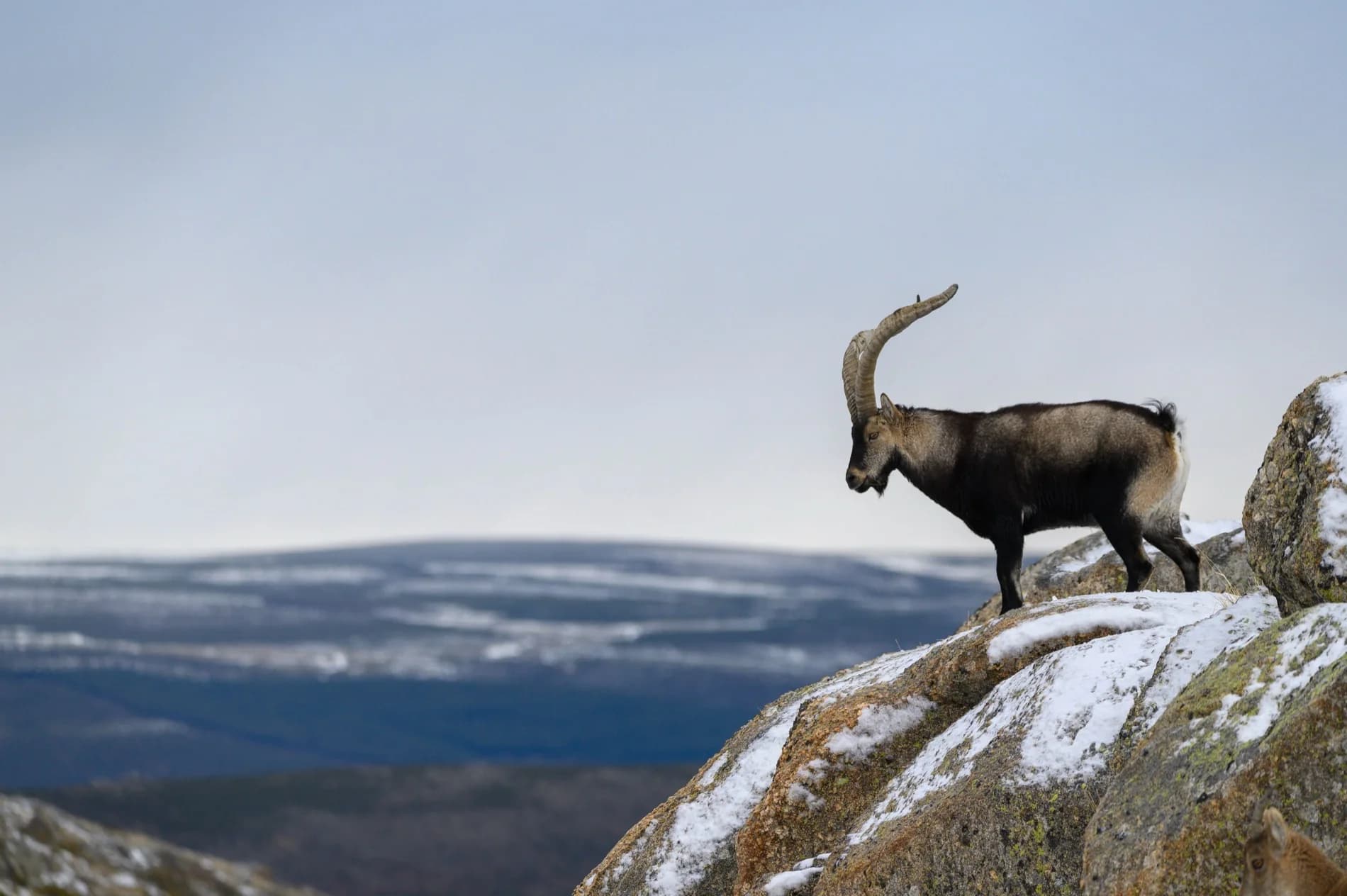
Beceite — Puertos de Beceite and Maestrazgo (Teruel/Tarragona): The limestone ridges and deep canyons of the Puertos de Beceite, near the town of Beceite in Teruel province, are the heartland. This is rugged, vertical terrain — limestone cliffs, pine forests, and narrow valleys at 800-1,400 metres elevation. The town of Beceite (population ~600) sits at the base of the hunting ground. Access is via Zaragoza (2.5 hours) or Valencia (2.5 hours) airports. Trophy quality is excellent — 70-80 cm billies are realistic on well-managed cotos.
Gredos — Sierra de Gredos (Ávila): The hunting is managed through government-controlled permits (cotos sociales) and private reserves. The best ground is in the Reserva Nacional de la Sierra de Gredos and surrounding private fincas. Access is via Madrid (2-2.5 hours by road). The terrain is granite — smoother and rounder than Beceite's limestone, with high-altitude meadows and rock formations at 1,500-2,500 metres. Gredos permits are limited and must be booked through authorized agents well in advance.
Ronda — Serranía de Ronda and Sierra Nevada (Andalusia): The white village countryside of Ronda, Grazalema, and the high passes of the Sierra Nevada (Europe's second-highest mountain range, peaking at Mulhacén at 3,479 metres) offer dramatic ibex country. Málaga airport is the gateway — 1-1.5 hours to the hunting ground. The terrain varies from moderate scrubland hills to genuine alpine terrain in the Sierra Nevada.
Southeastern — Sierra de Cazorla, Murcia: The Cazorla Natural Park (Jaén province) is one of Europe's largest protected areas and holds strong ibex populations on its limestone faces. Murcia and Alicante provinces offer ibex on lower, drier terrain — accessible and productive. Alicante airport is convenient, and hunting areas are 1-2 hours by road.
Our Sierra de Andujar destination puts you in the heart of Andalusia, within striking distance of both Ronda and Southeastern ibex ground, with the option of combining ibex with wild boar montería and red-legged partridge driven shooting.
When is ibex hunting season?
Ibex seasons in Spain vary by subspecies, region, and the specific coto (hunting reserve). The seasons are set by the autonomous communities (Aragón, Castilla y León, Andalucía, Murcia, Valencia) and can shift year to year.
Beceite Ibex: October through February is the primary season, with the rut peaking in November-December. Rutting billies are vocal, territorial, and more visible — they spar on exposed ridgelines and follow nannies along cliff faces. Pre-rut (October) and post-rut (January-February) hunting is more methodical — glassing and stalking mature billies that have returned to bachelor groups. Some cotos offer spring seasons (April-May) for management animals.
Gredos Ibex: The regulated season typically runs November through February, with permits allocated through a lottery and authorized hunting agents. The rut peaks in December-January. Gredos is the most restricted of the four subspecies — annual harvest is carefully managed, and permits must be secured months in advance.
Ronda Ibex: October through February in most Andalusian cotos, with the rut in November-December. Some areas offer year-round hunting for management billies. Sierra Nevada ibex can be hunted into March at higher elevations where snow drives animals to lower, more accessible terrain.
Southeastern Ibex: This is the most flexible season — many Murcia and Alicante cotos offer ibex hunting year-round. The rut occurs in November-December, but strong populations mean that mature billies are available in spring and summer as well. This flexibility makes Southeastern ideal for combining with other Spanish hunting — wild boar montería in winter, partridge in October, or a standalone ibex trip at any time.
For a grand slam trip (all four subspecies in one trip), I recommend late November through mid-December. The rut is active across all populations, weather is cool but manageable, and you can move between regions efficiently.
What caliber for Spanish ibex?
Ibex are medium-sized mountain game — mature billies weigh 60-90 kg depending on subspecies — in terrain that demands accuracy at moderate to long range. Shot distances of 150-300 metres are standard; 400-metre shots occur on open faces.
Recommended: .270 Winchester, 7mm Remington Magnum, or .300 Winchester Magnum. The .270 with 130-150 grain premium bullets is the classic ibex caliber — flat-shooting, moderate recoil, and more than adequate for a 60-90 kg animal. The 7mm Rem Mag gives a ballistic edge at longer distances. The .300 Win Mag is fine but more rifle than you need — bring it if that is what you shoot best.
Also excellent: .308 Winchester (165-180 grain), 6.5 Creedmoor (140-143 grain), 6.5 PRC, .280 Remington, .30-06 Springfield. Any flat-shooting caliber in the .260-.300 range with premium bullets will handle ibex cleanly.
Minimum: .243 Winchester with 100-grain bonded bullets. Adequate at close range but leaves little margin at 300+ metres. Not my first recommendation.
Rifle setup: A lightweight mountain rifle (3-3.5 kg scoped) with a 3-12x or 4-16x variable scope. Bipod recommended. Shooting sticks are commonly used by Spanish guides (rehaleros) and are provided on most hunts. Practice shooting from sticks before your trip — seated and standing.
Practical note: Many Spanish hunting operations provide rifles for guest use. If you prefer not to navigate the Spanish firearms import process, this is a sensible option — confirm with your outfitter or Huntica host.
What are the mountain hunting techniques for ibex?
Spanish ibex hunting is spot-and-stalk mountain work — no blinds, no bait, no drives (ibex are never included in montería-style driven hunts). The method is consistent across all four subspecies, though the terrain varies.
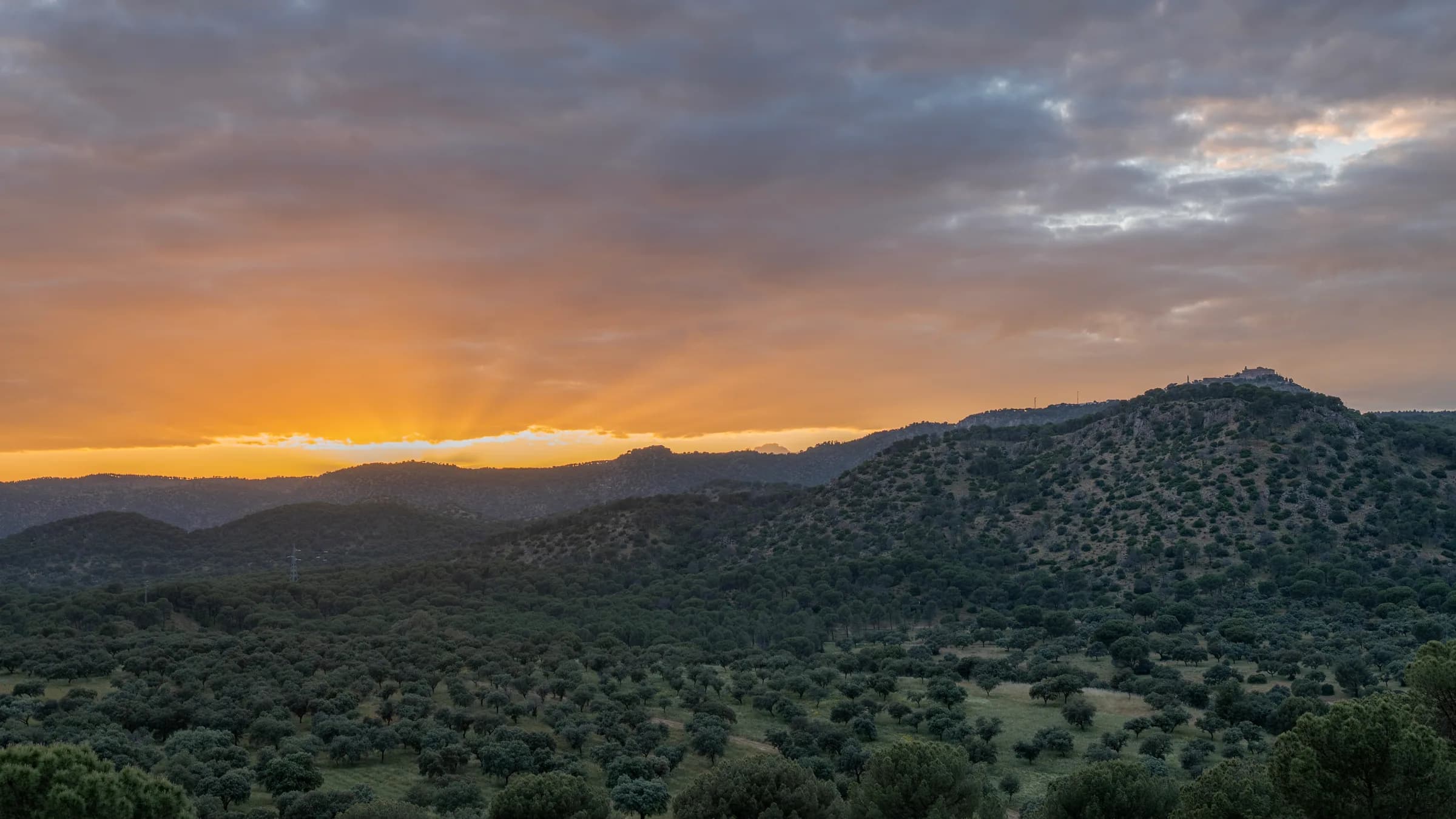
Glassing: The hunt starts at dawn from a vantage point — a ridge, a road bend overlooking a valley, or a cliff edge. The guide (rehalero) glasses systematically with 10x42 binoculars and a 20-60x spotting scope, scanning faces, ledges, and skylines. Ibex are surprisingly difficult to spot on broken rock — their grey-brown coat matches limestone perfectly. A mature billy may be bedded on a ledge 400 metres above you, visible only as a shadow with horns. Locating the right animal is 50% of the hunt.
Assessment: Once a billy is spotted, the rehalero assesses horn length, mass, and age. This happens at 300-800 metres through a spotting scope. A good rehalero can estimate horn length to within 2-3 cm at distance — they have spent their lives on these mountains, judging these animals. Trust their assessment.
The approach: Ibex terrain is vertical. The stalk often involves circling the mountain to approach from above — ibex watch downhill instinctively and are harder to approach from below. Routes follow dry creek beds, rock ledges, pine forest cover, and scree slopes. The approach can take 1-4 hours depending on the terrain and the billy's position. Physical fitness matters — you will climb 300-600 metres of elevation during a stalk, often on hands and knees across exposed rock.
The shot: Most ibex shots are taken from a seated position using shooting sticks, at 150-300 metres. The rehalero sets up the sticks and positions you. Shooting angles are frequently steep — uphill or downhill at 30-45 degrees — which affects bullet impact. Know your rifle's performance on angled shots.
After the shot: Ibex terrain means that recovery can be challenging. A hit ibex on a cliff face may tumble 50-100 metres into a ravine. The rehalero will guide you to the animal. Horn damage from falls is possible — a well-placed shot that anchors the billy in place is worth the patience.
What does a Spanish ibex hunt cost?
Spanish ibex hunts are among the most accessible mountain hunts in the world — both logistically and financially. Spain's proximity to major European airports, excellent road infrastructure, and strong ibex populations keep costs reasonable compared to other mountain species.
Per-subspecies costs:
- Southeastern Ibex: €5,000-€7,000 for a 3-4 day guided hunt including accommodation, guide (rehalero), vehicle, and trophy fee. The most affordable of the four. Trophy fees alone: €2,500-€4,000 depending on horn length.
- Beceite Ibex: €6,000-€9,000 for a 3-4 day hunt. Higher trophy fees reflect the superior horn quality and more limited permit availability. Trophy fees: €3,500-€6,000.
- Ronda Ibex: €5,500-€8,000 for a 3-4 day hunt. Similar pricing structure to Beceite. Trophy fees: €3,000-€5,000.
- Gredos Ibex: €8,000-€12,000 for a 3-4 day hunt. The highest cost reflects permit scarcity and the management intensity of the Gredos population. Trophy fees: €4,500-€8,000 with some permits allocated by government lottery and priced accordingly.
Grand slam (all four subspecies): €20,000-€35,000 for a 12-16 day trip across four regions. This includes all guides, accommodation, trophy fees, and inter-regional transfers. Internal flights (Madrid to Málaga, Valencia to Zaragoza) or road transfers add €500-€1,500.
With Huntica hosting: A Huntica Hosted ibex hunt — whether single subspecies or grand slam — is quoted per subspecies as one figure including hosting, guide, accommodation, trophy fee, and local logistics; a grand slam is quoted as one written figure for the full itinerary. See our hunting costs breakdown for comparisons.
Accommodation: Ranges from rural Spanish hotels and casas rurales (€60-€120/night) to comfortable hunting lodges on private fincas. Spanish hunting accommodation is functional and clean but rarely extravagant — the investment is in the mountain, not the mattress.
What is not included: International flights (€100-€500 within Europe, €600-€1,200 from the US to Madrid or Málaga), taxidermy and trophy shipping (€800-€2,500 per ibex), travel insurance (€100-€300), Spanish hunting licence (see below), and gratuities (€50-€100/day for rehalero; €20-€30/day for driver/assistant).
How do I get a Spanish hunting license?
Hunting in Spain requires a Spanish hunting licence (licencia de caza), administered at the autonomous community level. The process is straightforward for EU citizens and requires additional steps for non-EU hunters.
EU citizens: Apply through the autonomous community where you will hunt (e.g., Gobierno de Aragón for Beceite, Junta de Andalucía for Ronda/Southeastern, Junta de Castilla y León for Gredos). Requirements: valid ID, home-country hunting licence, hunting insurance (seguro de caza — approximately €30-€50, available through Spanish insurance companies), and a fee of €15-€60 depending on the region. Processing: 1-5 business days.
Non-EU citizens: In addition to the above, you need an apostilled or officially translated hunting licence from your home country and, in some communities, a Spanish firearms import permit from the Guardia Civil's Intervención de Armas. Your outfitter handles this paperwork. Allow 30-60 days for processing.
Guardia Civil firearms import: If bringing your own rifle, you need a temporary firearms import permit from the Guardia Civil. Your outfitter submits the application with your passport details, firearm specifications, and hunting licence. Approved permits are collected at the Guardia Civil office nearest your hunting area. Cost: approximately €20-€30. Processing: 15-30 business days.
On a Huntica trip, we handle all licence and permit applications. You provide your documents; we do the rest.
Can I combine ibex with montería or other Spanish hunting?
Absolutely — and Spain's diversity of game makes this combination natural.
Montería (driven wild boar and deer): Spain's iconic driven hunt, where lines of beaters and dogs push wild boar (Sus scrofa) and red deer (Cervus elaphus hispanicus) past standing hunters. Monterías run October through February across Andalusia, Castilla-La Mancha, and Extremadura. A montería day costs €500-€2,000 per puesto (stand), with trophy fees on top. Combining a Ronda or Southeastern ibex hunt with a montería in the Sierra de Andujar or Sierra Morena is a classic Spanish hunting week.
Red-legged partridge (Alectoris rufa): Spain holds Europe's strongest red-legged partridge populations, and driven partridge shooting is a Spanish tradition. The season runs October through February. A driven partridge day costs €3,000-€6,000 for 200-400 birds over 8-10 drives. The best ground is in Toledo, Ciudad Real, and Extremadura. Adding 1-2 days of partridge to an ibex trip creates a uniquely Spanish combination — mountain stalking in the morning, wingshoot in the afternoon.
Mouflon: Spain holds huntable populations of European mouflon (Ovis orientalis musimon) in several regions. Mouflon can be added to an ibex trip for €2,000-€4,000 in trophy fee, hunted spot-and-stalk in similar terrain.
On a Huntica Hosted Spanish trip, we typically combine ibex with at least one other format — montería or partridge — to give you the full depth of what Spanish hunting offers. Our Sierra de Andujar destination is purpose-built for this.
Frequently Asked Questions
How many days do I need for each ibex subspecies?
Plan 3-4 hunting days per subspecies. Most billies are taken within 2-3 days on quality ground with an experienced rehalero. The extra day provides a buffer for weather or a billy that proves difficult to approach. For a grand slam, plan 14-18 days total including travel between regions. It can be done in 12 days with tight logistics and good fortune, but rushing reduces enjoyment and increases the chance of a marginal trophy.
How physically demanding is ibex hunting?
Ibex hunting is moderately to highly demanding depending on the terrain and the specific stalk. Expect to climb 300-800 metres of elevation per day on rocky, uneven ground. Some approaches involve scrambling on hands and knees. You should be comfortable hiking 8-15 km on mountain trails with a daypack. Beceite and Gredos terrain is the most demanding; Southeastern can be gentler. If you can comfortably hike in mountainous terrain for 4-6 hours, you are fit enough for ibex. The approach is the hard part — the shooting positions are usually stable.
What is the success rate on Spanish ibex?
Success rates on guided ibex hunts in Spain run 90-98% across all subspecies on quality ground. Ibex populations are strong, rehaleros know their ground intimately, and the animals are resident — they do not migrate out of the hunting area. The main variable is trophy quality: finding a billy above 70 cm takes longer than finding a representative 60 cm animal. Be clear about your trophy expectations before the hunt.
Can I hunt all four subspecies in one trip?
Yes — the Spanish ibex grand slam is a well-established concept. The typical route: fly into Valencia or Zaragoza for Beceite, drive or fly to Madrid for Gredos, then south to Andalusia for Ronda and Southeastern. The trip covers 1,500-2,000 km by road across Spain, or internal flights reduce travel days. A grand slam in 12-16 days is realistic with good planning. On a Huntica trip, we coordinate all transfers, guides, permits, and accommodation across regions.
Is Spanish ibex meat edible?
Ibex meat is lean, firm-textured, and has a mild, slightly gamey flavour — similar to goat but finer-grained. It is traditionally prepared as a slow-cooked stew (guiso de cabra montés) in mountain villages. The loin can be grilled, and the leg makes excellent cured meat (cecina). Most hunting operations prepare ibex from the hunt for meals — it is part of the cultural experience. However, be aware that in some areas, trophy animals must be surrendered to the coto for meat distribution to local communities.
What happens to the horns if my ibex falls and they break?
Horn damage from falls is a real risk in ibex hunting — the terrain is steep and a poorly placed shot can send the animal tumbling. Most Spanish hunting operations have policies for horn damage: if the damage was caused by the terrain (not a poor shot), you typically pay a reduced trophy fee or receive a replacement permit for the same or next season. Discuss this policy with your outfitter before the hunt. The best prevention: a well-placed shot that anchors the billy where he stands. Patience on the trigger saves horns.
Do I need to speak Spanish?
It helps but is not required. Most professional rehaleros speak limited English but communicate effectively through gestures, pointing, and demonstration — the language of mountain hunting is universal. Your outfitter or Huntica host will translate briefings and logistics. In tourist areas (Ronda, Granada, Madrid), English is widely spoken. In mountain villages (Beceite, Gredos), less so. Learning basic Spanish hunting terms — macho (billy), hembra (nanny), cuernos (horns), tiro (shot), esperar (wait) — adds to the experience.
What is the best time of year for photos of ibex in Spain?
November-December during the rut produces the most dramatic photography. Billies are in peak condition — thick winter coat, full-grown horns — and their rutting behaviour (sparring, posturing on ridgelines) creates compelling images. Light in the Spanish mountains is exceptional: golden sunrise over limestone, deep blue sky at altitude, and the warm afternoon colours of Mediterranean pine and rock. Dawn and dusk are the magic windows.
Tell us where you want to go
If you have been thinking about ibex — one subspecies or all four — the next step is a conversation. Tell us where you want to go, and we will map out the ground, the season, and what a hosted ibex hunt looks like in Spain's mountains. Whether it is a long weekend for Southeastern or a two-week grand slam, we know the rehaleros, the cotos, and the mountains. That is what being on the ground means.
If you would rather see the ground first, our ibex hunting in Spain page walks through the ranges, the seasons, and the finca we host from.